Tokyo, Japan

센소지

도쿄를 대표하는 관음 사찰과 오미쿠지 문화.

LocationAsakusa, Taito, Tokyo, Japan
Origin legend7th century Kannon statue legend on the Sumida River
Main devotionSho Kannon / Bodhisattva Kannon
LandmarksKaminarimon, Nakamise, Hozomon, pagoda, main hall
Suggested time1.5 - 2.5 hours
Best forFirst-time Tokyo visitors, traditional streets, omikuji

线上参访

可以参与的线上活动

这些文化体验所有访客都可以看到。点击参与时,如未登录会先引导注册或登录。

온라인 점괘

选择求问方向,进入摇签仪式,再从你的真实记录中查看签文。

开始求签

Offer incense

Begin the visit with a quiet incense offering and a personal wish.

Write a wish plaque

Write a private wish note, with anonymous walls reserved for later.

Light a wish lamp

Light a wish lamp as a small record of this intention.

Collect visit stamp

Add this online visit to your pilgrimage passport.

사찰 이야기

센소지는 도쿄 다이토구에 있는 대표적인 고찰입니다. 가미나리몬, 나카미세 거리, 관음당이 아사쿠사의 상징적인 풍경을 이룹니다.
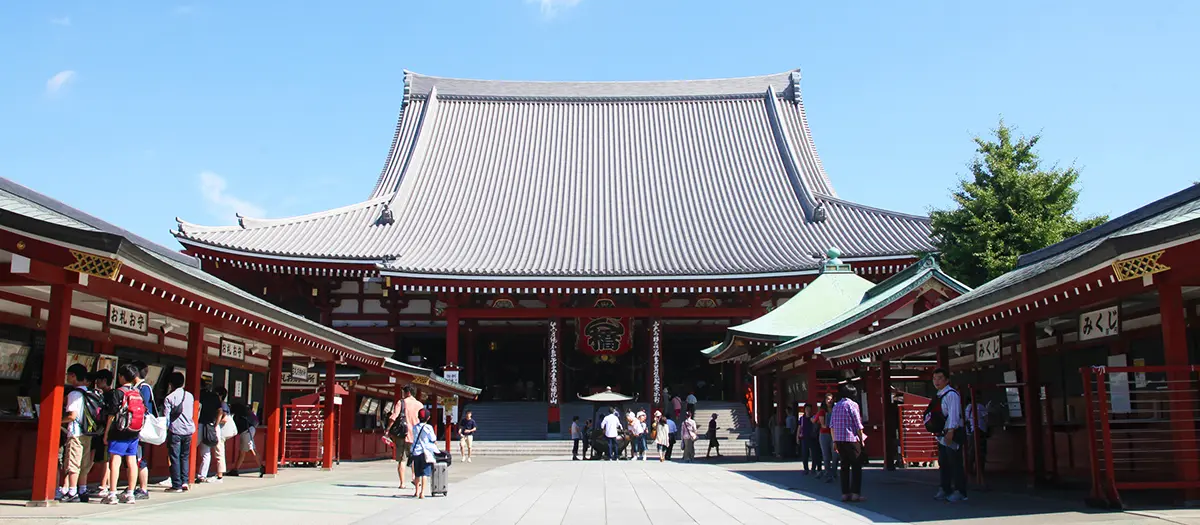
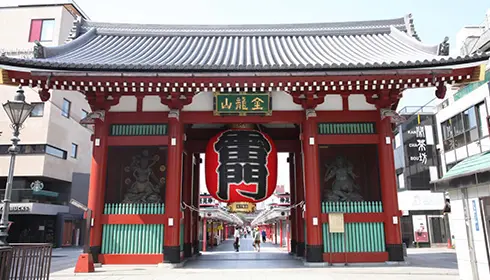
Enter Asakusa through Kaminarimon

The first impression is the gate, lantern, and crowd flow. The page should begin with this sense of arrival in old Tokyo.

Kannon devotion and omikuji

The draw is not an isolated button; it follows prayer, quiet attention, shaking the tube, reading, and tying the slip.

방문 이유

01

A complete traditional Tokyo experience

Senso-ji is not just a hall; it is a complete approach. Kaminarimon, Nakamise, Hozomon, and the main hall create a layered walk through faith, shopping, and old Tokyo.

02

A visitor-friendly omikuji ritual

The omikuji flow is easy to understand: shake the tube, match the number, read the slip, and tie away misfortune when needed.

03

Lively by day, calmer at night

By day, Asakusa is energetic and crowded; early mornings and evenings reveal quieter architecture, light, and neighborhood rhythm.

점괘 전통

이 페이지는 센소지 백첨을 바탕으로 이미지, 뒷면, 번역, 문화적 해석을 제공합니다.

Kannon devotion and compassionate wishes

Senso-ji centers on Kannon devotion. In East Asian Buddhist culture, Kannon is associated with compassion and listening to suffering, making the temple a natural place for wishes, safety, travel, and personal reflection.

볼거리

01

가미나리몬은 아사쿠사를 상징하는 입구로, 거대한 붉은 등불이 참배 분위기를 만듭니다.

02

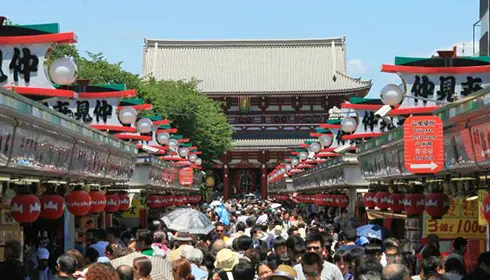
나카미세 거리는 가미나리몬과 본당을 이어 주며 전통 상점가 체험을 더합니다.

03

오미쿠지는 아사쿠사 체험의 일부로, 뽑고 읽고 묶는 과정이 인상적입니다.

역사 메모

628

스미다강에서 관음상이 발견되었다는 전승이 센소지의 기원 이야기입니다.

Today

오늘날 센소지는 신앙, 관광, 도시 기억을 잇는 도쿄의 명소입니다.

동선

1

Kaminarimon

The iconic entrance and natural starting point of the visit.

2

Nakamise Street

A traditional shopping approach connecting gate and temple.

3

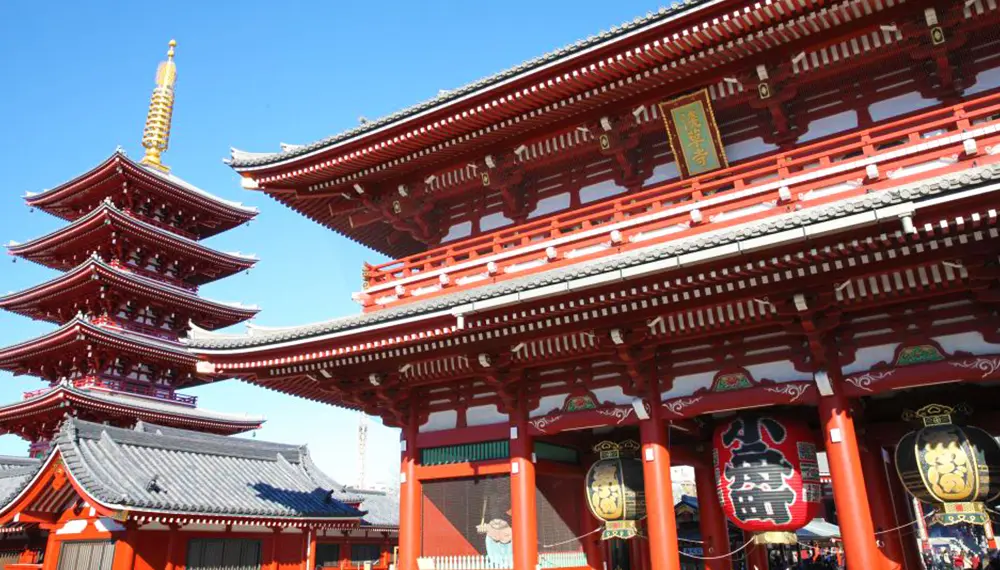
Hozomon and pagoda

Key visual landmarks before entering the temple core.

4

Main hall and omikuji

After prayer, visitors can draw and read an omikuji.

방문 메모

  • 도쿄 첫 여행자에게 좋으며, 이른 아침과 밤이 비교적 조용합니다.

지도

센소지일본 도쿄도 다이토구 아사쿠사 2-3-1
일본 도쿄도 다이토구 아사쿠사 2-3-1

교통

01

Subway to Asakusa Station

Tokyo Metro Ginza Line, Toei Asakusa Line, and Tobu Skytree Line serve Asakusa. Walk toward Kaminarimon after exiting.

02

From Ueno or Ginza

The Ginza Line connects Ueno, Ginza, and Asakusa, making it easy to combine museums, shopping, and temple visits.

03

Walking and riverside route

After the temple, walk to the Sumida River and continue toward Tokyo Skytree for a classic old-new Tokyo route.

입장 시간과 요금

확인일2026-07-03

시간Main hall is generally 6:00-17:00, opening around 6:30 from October to March; temple grounds are generally always open.

요금Admission is generally free.

안내Festivals, New Year crowds, and maintenance can affect access; verify with official or local tourism pages.

방문하기 좋은 때

Spring

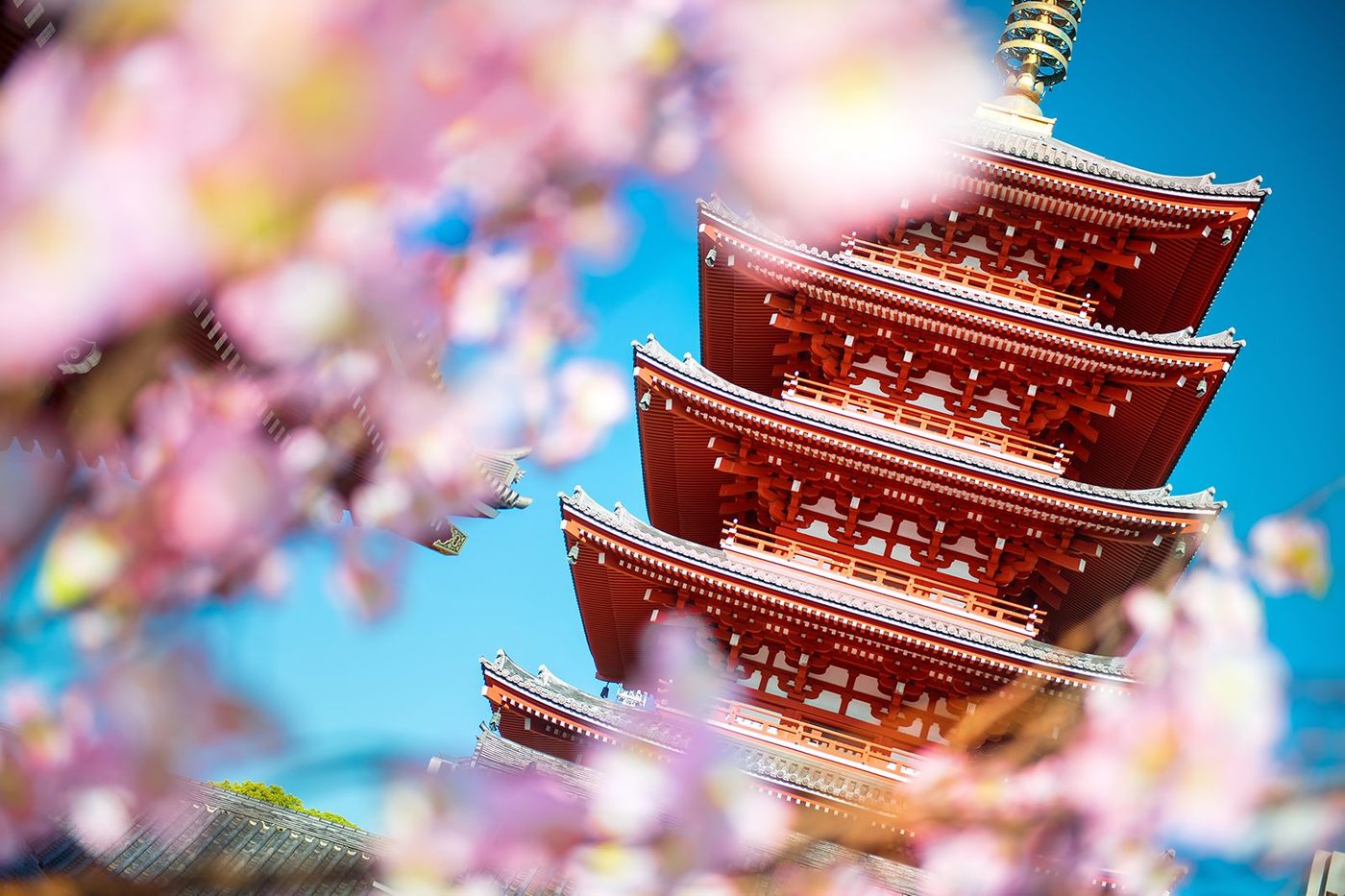
Cherry blossoms and the pagoda make a memorable scene, with heavier crowds.

Summer

A lively season for combining the temple with Sumida River walks.

Winter

New Year visits are atmospheric but extremely crowded.

주변 문화

Tokyo Skytree

Easy to pair with Asakusa in a half-day route.

Sumida River

A calm open-space walk after the temple visit.

Ueno

Museums, parks, and traditional streets form a cultural route.

주변 문화

Old-town Tokyo rhythm

Asakusa keeps an old-town Tokyo feel through snacks, souvenirs, yukata visitors, rickshaws, and storefront signs.

Festivals and crowds

Sanja Matsuri, New Year visits, and weekends bring heavy crowds. Early morning is quieter, while daytime gives the liveliest street atmosphere.

Half-day route

Pair Senso-ji with the Sumida River, Skytree, or Ueno for a contrast between old Tokyo, riverside scenery, and modern landmarks.

여행자 노트

Morning

Start before the gate fills

Arriving early gives you a quieter gate, a slower Nakamise walk, and a calmer main hall visit.

Night

Return for the night outline

At night, crowds thin out and the gate and pagoda become more cinematic under lights.

Half-day

Senso-ji plus Skytree

After drawing a fortune, walk to the river and view Skytree for a clean contrast between old and modern Tokyo.

방문 전에

Senso-ji travel, omikuji, and old Tokyo culture guide

Senso-ji is one of Tokyo's best places for a first encounter with Japanese temple culture. The experience begins at Kaminarimon, continues through Nakamise, passes Hozomon, and arrives at the Kannon hall.

For quiet, arrive early around the gate and main hall. For the liveliest Asakusa mood, visit during the day along Nakamise. At night, some facilities close, but the illuminated architecture is excellent for walking.

Omikuji at Senso-ji works best as a cultural and reflective experience. Tying an unfavorable slip at the rack and keeping a favorable one are both memorable parts of the visit.

Senso-jiAsakusaomikujiTokyo temple浅草寺东京求签

참여 전 안내

Follow the approach

The approach itself is part of the experience; do not rush straight to the draw.

Pause before drawing

Treat the draw as cultural reflection, not something to repeat until the answer changes.

자료 출처

Image: Photo downloaded locally from Go Guides / Hotels.com CDN; cultural references from Senso-ji official site and Tokyo tourism.

Senso-ji travel, omikuji, and old Tokyo culture guide | 테라위시 | 테라위시