Ramalan dalam talian
Pilih arah hajat, masuk ke ritual, lalu buka hasil dari rekod anda.
Mula ramalan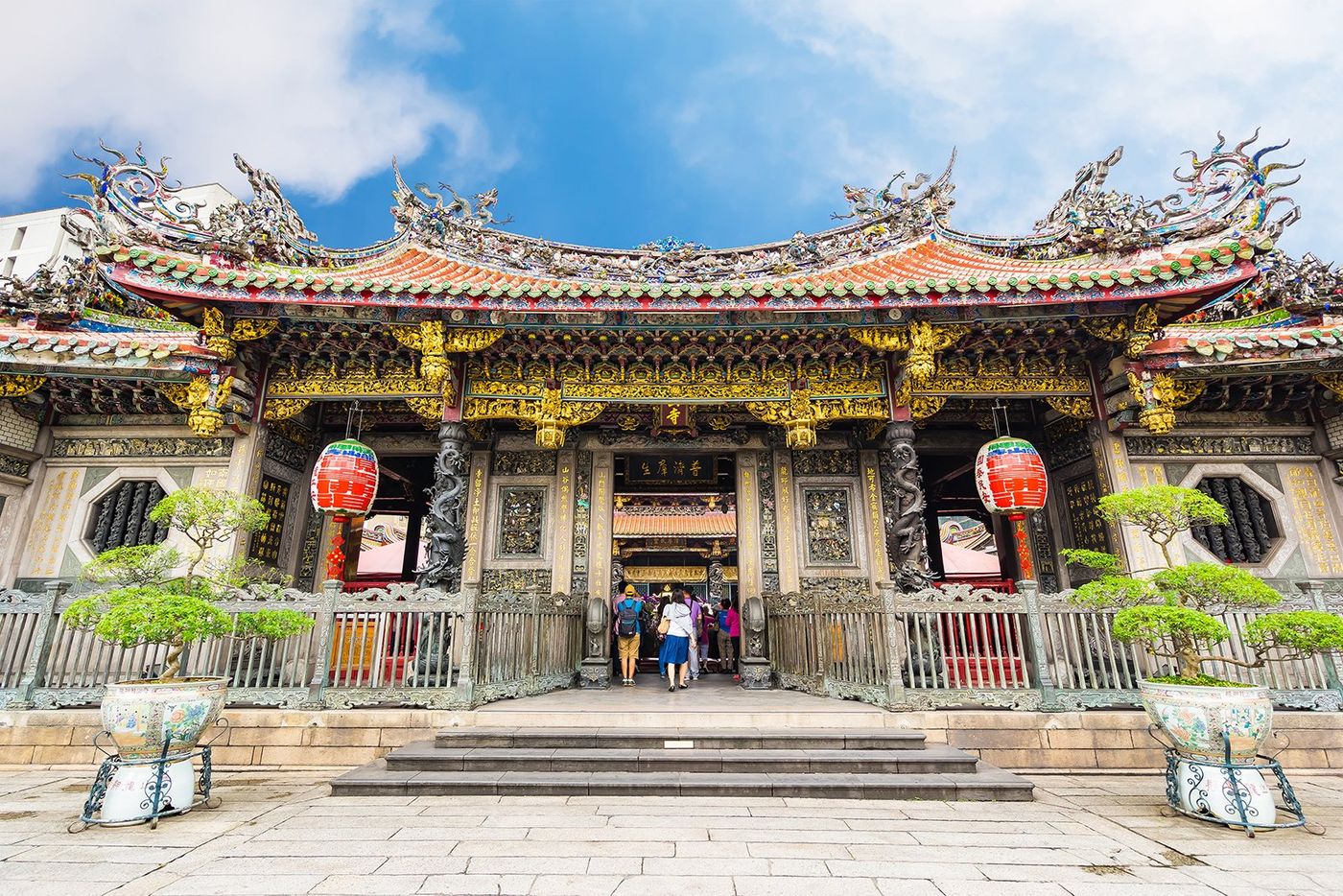
Taipei, Taiwan, China
Ikon budaya kuil di Taipei.
Lawatan dalam talian
Semua pelawat boleh melihat pengalaman ini. Log masuk untuk menyimpannya.
Pilih arah hajat, masuk ke ritual, lalu buka hasil dari rekod anda.
Mula ramalanMulakan lawatan dengan persembahan dupa yang tenang dan satu hajat peribadi.
Tulis satu hajat dan simpan sebagai rekod peribadi.
Nyalakan satu lampu sebagai catatan kecil niat ini.
Tambahkan lawatan dalam talian ini ke pasport ziarah anda.
Longshan ialah antara kuil paling terkenal di Taipei.
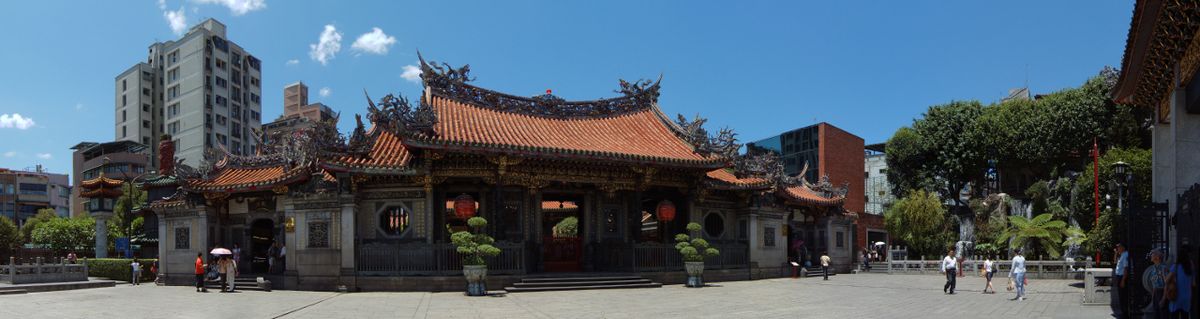
Kuil lebih mudah difahami melalui konteks bandar, pemandangan utama, dan suasana lawatan.
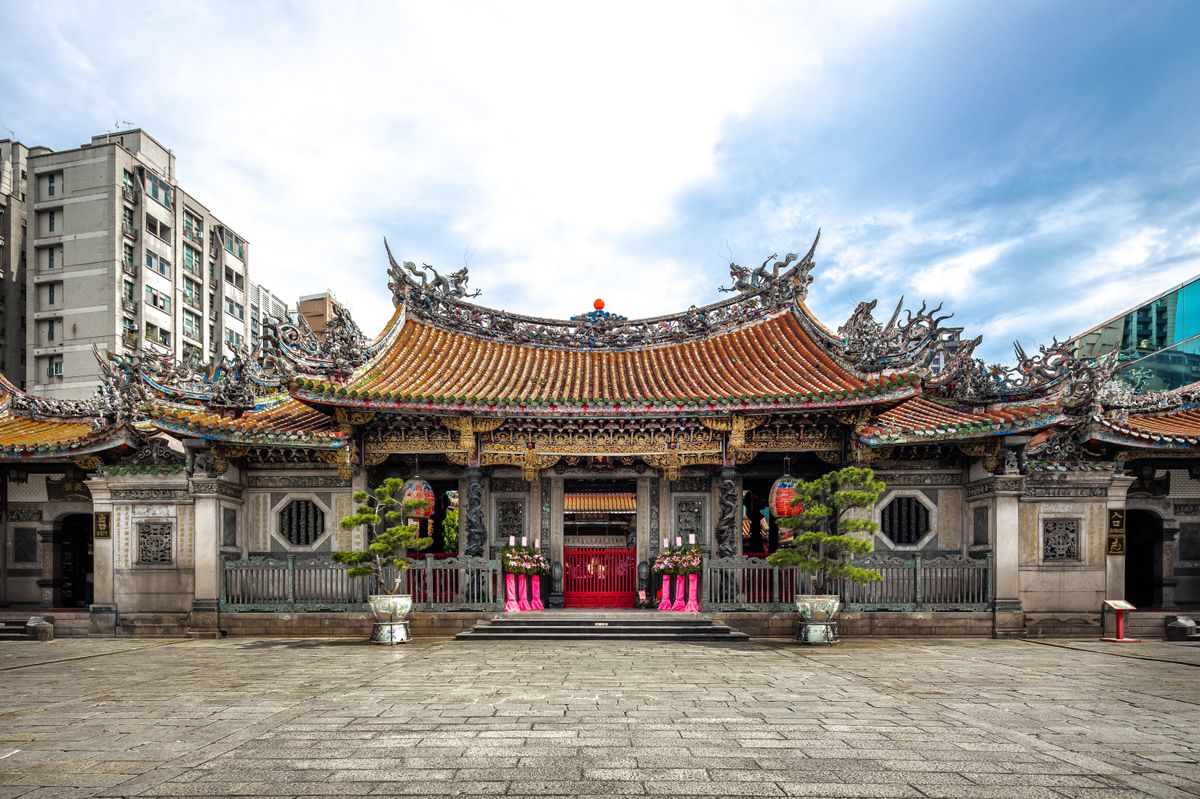
Lawatan lengkap bukan hanya dewan utama, tetapi juga pintu, laluan, halaman, dan kawasan sekitar.
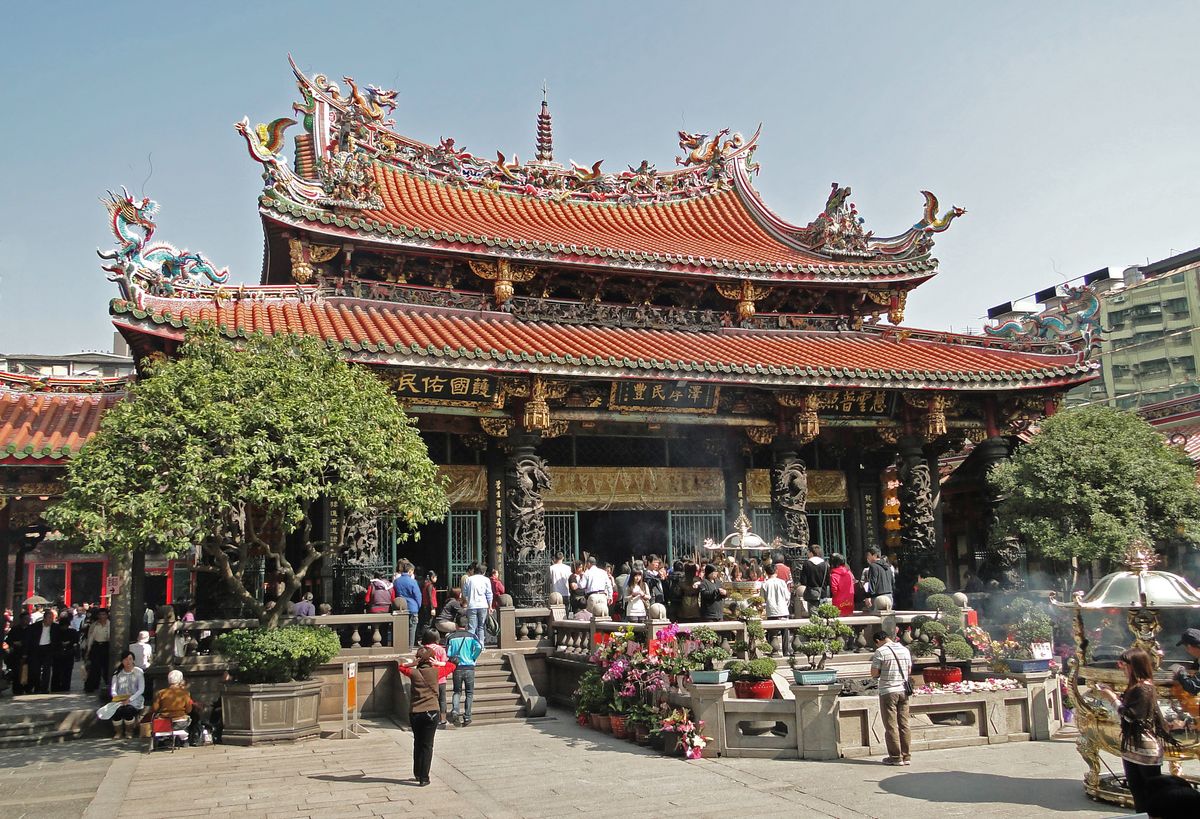
Kuil Longshan paling baik difahami dalam laluan bandar dan konteks budaya Buddha.
Gabungan kawasan sekitar, landskap, atau tempat budaya menjadikan lawatan lebih lengkap.
Kuil Longshan paling baik difahami melalui ingatan setempat, tradisi Buddha, dan aliran lawatan hari ini.
Diasaskan pada zaman Qing.
Kuil Longshan ialah tempat budaya untuk pelawat dan ruang devosi.
Kuil terkenal sering menjadi warisan, tanda bandar, dan titik laluan sekitar.
Waktu, tiket, tempahan, upacara, dan penyelenggaraan boleh berubah; semak sumber rasmi sebelum melawat.
Pengalaman ramalan ini mengikuti tradisi 100 ramalan Guanyin yang tersebar luas untuk renungan budaya dalam talian, bukan perkhidmatan rasmi kuil.
Halaman ini memperkenalkan latar devosi, adab, dan suasana doa sebagai pengalaman budaya.
Longshan memaparkan budaya keagamaan bandar Taipei.
Ritual ramalan sering disertai pengesahan dengan blok divinasi.
Bergerak perlahan sambil menghormati arahan, petugas, dan aliran pelawat.
Bergerak perlahan sambil menghormati arahan, petugas, dan aliran pelawat.
Bergerak perlahan sambil menghormati arahan, petugas, dan aliran pelawat.
Bergerak perlahan sambil menghormati arahan, petugas, dan aliran pelawat.
Kawasan kuil popular sering ada had parkir, barisan, dan kawalan perayaan; utamakan pengangkutan awam.
Laluan ke kuil, jalan bukit, dan kawasan lama sering menjadi sebahagian pengalaman; jangan terlalu padatkan jadual.
Hari perayaan dan musim puncak cenderung sesak; datang awal dan sediakan masa perjalanan.
Disemak2026-07-03
WaktuWaktu buka boleh berubah mengikut musim, upacara, penyelenggaraan, atau pengurusan kawasan; semak halaman rasmi atau notis setempat.
TiketTiket, tempahan, dan tiket gabungan boleh berubah; halaman ini menyediakan pautan rujukan dan tidak menjamin harga masa nyata.
NotaIni ialah kompilasi budaya dan perjalanan bebas, bukan perkhidmatan rasmi kuil atau tarikan.
Kesesakan, cahaya, dan suasana kuil berubah mengikut musim dan masa.
Kesesakan, cahaya, dan suasana kuil berubah mengikut musim dan masa.
Kesesakan, cahaya, dan suasana kuil berubah mengikut musim dan masa.
Rancang kuil bersama kawasan, alam, atau tempat budaya sekitar.
Rancang kuil bersama kawasan, alam, atau tempat budaya sekitar.
Rancang kuil bersama kawasan, alam, atau tempat budaya sekitar.
Memerhati cara penduduk bergerak, berhenti, dan berdoa mendedahkan lebih daripada seni bina.
Memerhati cara penduduk bergerak, berhenti, dan berdoa mendedahkan lebih daripada seni bina.
Memerhati cara penduduk bergerak, berhenti, dan berdoa mendedahkan lebih daripada seni bina.
Berhenti sebentar di pintu masuk atau laluan, perhatikan aliran doa setempat, lalu masuk ke kawasan utama.
Anggap doa dalam talian sebagai rekod peribadi dan pengalaman budaya, berasingan daripada perkhidmatan agama di lokasi.
Selepas kuil, teruskan ke jalan sekitar, tepi sungai, laluan bukit, atau muzium supaya lebih berkesan.
Kuil Longshan sebaiknya difahami melalui sejarah, seni bina, adab, akses peta, dan laluan sekitar.
Doa dalam talian sesuai sebagai rekod peribadi dan renungan tenang; di lokasi, hormati panduan dan adab setempat.
Doa dalam talian sesuai sebagai rekod peribadi dan renungan tenang; di lokasi, hormati panduan dan adab setempat.
Untuk foto, barisan, dan akses dewan, ikut peraturan setempat dan arahan petugas.
Doa dalam talian ialah pengalaman budaya dan rekod peribadi, bukan perkhidmatan rasmi kuil.
Imej: Halaman ini menggunakan imej setempat; pautan sumber dan nota hak dikendalikan dalam rekod atribusi laman.