Rút quẻ online
Chọn hướng cầu nguyện, vào nghi thức rút quẻ và mở kết quả từ hồ sơ của bạn.
Bắt đầu rút quẻ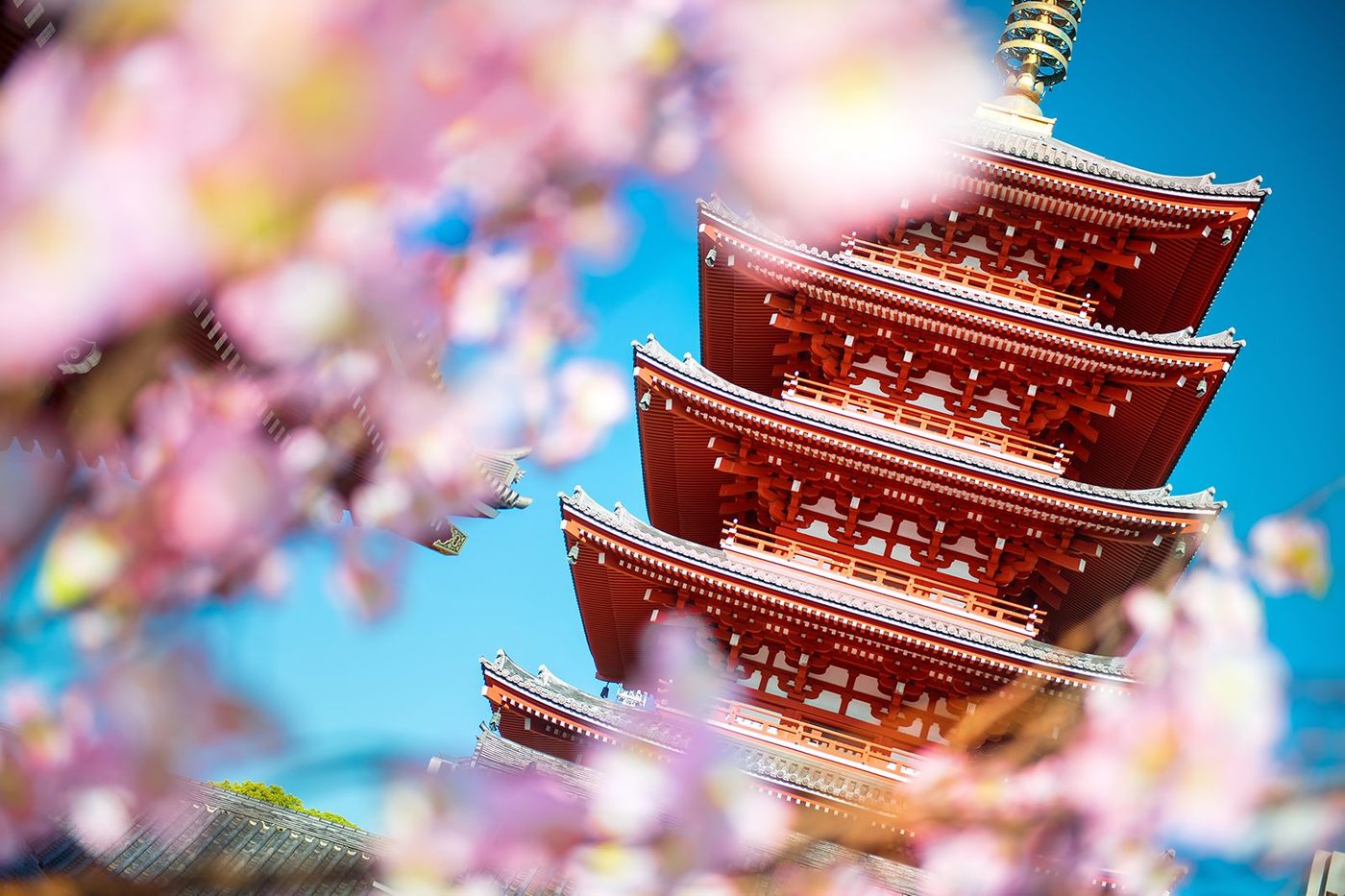
Tokyo, Nhật Bản
Ngôi chùa Kannon biểu tượng của Tokyo.
Viếng thăm online
Mọi khách đều có thể xem các trải nghiệm này. Hãy đăng nhập khi muốn lưu.
Chọn hướng cầu nguyện, vào nghi thức rút quẻ và mở kết quả từ hồ sơ của bạn.
Bắt đầu rút quẻBắt đầu chuyến viếng bằng một nén hương và ghi lại điều ước riêng.
Viết một điều ước và lưu riêng tư.
Thắp một ngọn đèn để ghi lại ý nguyện này.
Thêm chuyến viếng online này vào hộ chiếu hành hương.
Senso-ji là một trong những ngôi chùa lâu đời và nổi tiếng nhất Tokyo.
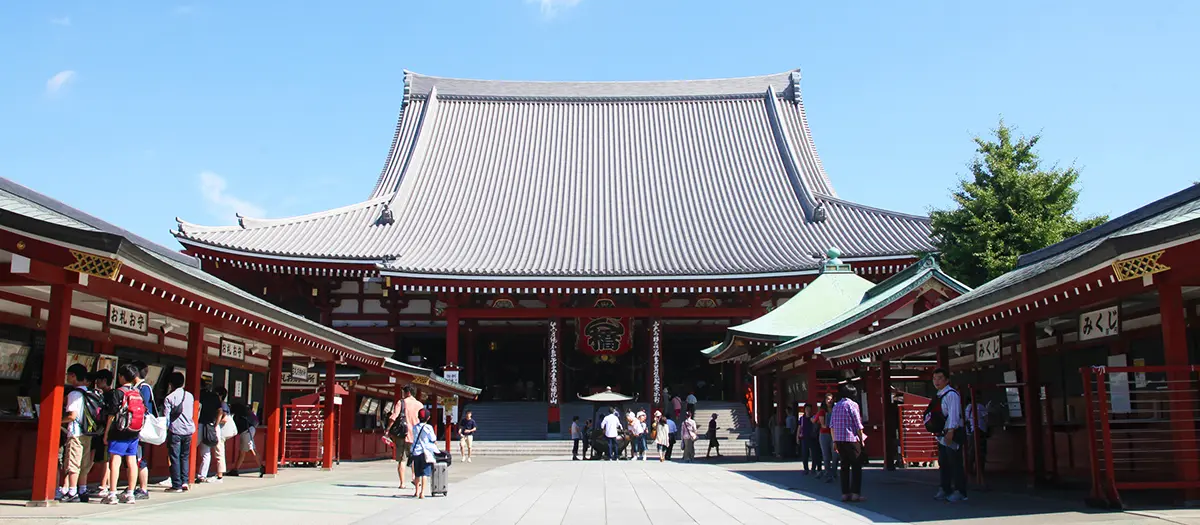
Hiểu ngôi chùa qua bối cảnh thành phố, cảnh tiêu biểu và không khí tham quan sẽ rõ hơn là chỉ nhìn một công trình.
Một chuyến ghé thăm đầy đủ không chỉ dừng ở điện chính mà còn gồm cổng, lối vào, sân vườn và khu xung quanh.
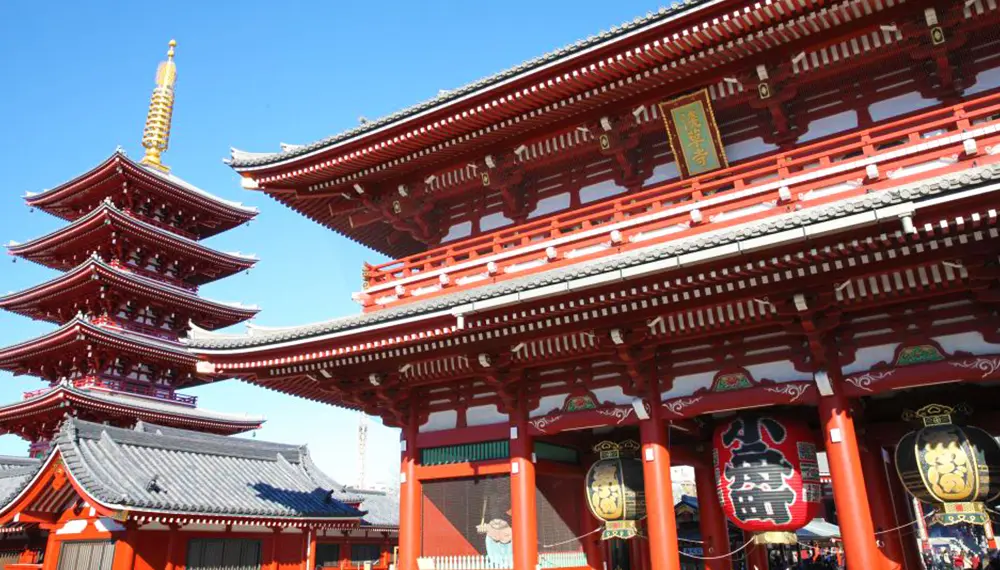
Chùa Senso-ji nên được hiểu trong tuyến tham quan thành phố và bối cảnh văn hóa Phật giáo.
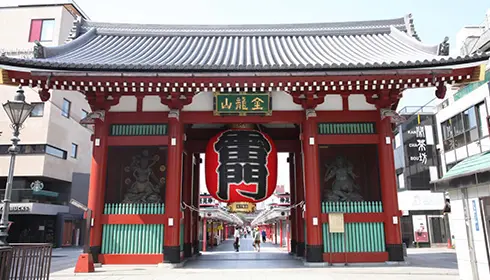
Kết hợp phố xung quanh, cảnh quan hoặc điểm văn hóa sẽ làm hành trình đầy đủ hơn.
Kết hợp phố xung quanh, cảnh quan hoặc điểm văn hóa sẽ làm hành trình đầy đủ hơn.
Chùa Senso-ji nên được hiểu trong ký ức địa phương, truyền thống Phật giáo và tuyến tham quan ngày nay.
Truyền thuyết kể rằng tượng Kannon được tìm thấy ở sông Sumida.
Ngày nay, Senso-ji kết nối tín ngưỡng, du lịch và ký ức đô thị Tokyo.
Chùa Senso-ji vừa là điểm văn hóa cho du khách vừa là không gian tín ngưỡng.
Các chùa nổi tiếng thường là di sản, biểu tượng đô thị và điểm neo cho tuyến tham quan.
Giờ mở cửa, vé, đặt chỗ, nghi lễ và bảo trì có thể thay đổi; hãy kiểm tra nguồn chính thức trước khi đi.
Trải nghiệm này dựa trên bộ 100 quẻ của Senso-ji.
Trang này giới thiệu bối cảnh tín ngưỡng, lễ nghi và không khí cầu nguyện như một trải nghiệm văn hóa.
Cổng Kaminarimon với chiếc đèn lồng đỏ lớn là biểu tượng của Asakusa.
Phố Nakamise nối cổng với chính điện, tạo thành tuyến tham quan truyền thống.
Rút omikuji là một phần đáng nhớ của trải nghiệm Asakusa.
Hãy đi chậm, tôn trọng biển báo, hướng dẫn nhân viên và dòng người lễ bái.
Hãy đi chậm, tôn trọng biển báo, hướng dẫn nhân viên và dòng người lễ bái.
Hãy đi chậm, tôn trọng biển báo, hướng dẫn nhân viên và dòng người lễ bái.
Hãy đi chậm, tôn trọng biển báo, hướng dẫn nhân viên và dòng người lễ bái.
Khu vực chùa nổi tiếng thường có hạn chế đỗ xe, xếp hàng và kiểm soát lễ hội; nên ưu tiên phương tiện công cộng.
Lối vào, đường núi hoặc phố cổ thường là một phần trải nghiệm; đừng xếp lịch quá dày.
Ngày lễ hội và mùa cao điểm thường đông; hãy đến sớm và dự phòng thời gian di chuyển.
Đã kiểm tra2026-07-03
Giờ mở cửaGiờ mở cửa có thể đổi theo mùa, nghi lễ, bảo trì hoặc quản lý điểm tham quan; hãy kiểm tra trang chính thức hoặc thông báo tại chỗ.
VéVé, đặt chỗ và vé kết hợp có thể thay đổi; trang này cung cấp liên kết tham khảo và không cam kết giá thời gian thực.
Lưu ýTrang này là bản tổng hợp văn hóa và du lịch độc lập, không phải dịch vụ chính thức của chùa hoặc điểm tham quan.
Lượng khách, ánh sáng và không khí chùa thay đổi theo mùa và thời điểm.
Lượng khách, ánh sáng và không khí chùa thay đổi theo mùa và thời điểm.
Lượng khách, ánh sáng và không khí chùa thay đổi theo mùa và thời điểm.
Kết hợp chùa với phố, thiên nhiên hoặc điểm văn hóa lân cận để hành trình đầy đủ hơn.
Kết hợp chùa với phố, thiên nhiên hoặc điểm văn hóa lân cận để hành trình đầy đủ hơn.
Kết hợp chùa với phố, thiên nhiên hoặc điểm văn hóa lân cận để hành trình đầy đủ hơn.
Quan sát người địa phương di chuyển, dừng lại và lễ bái giúp hiểu ngôi chùa hơn là chỉ nhìn kiến trúc.
Quan sát người địa phương di chuyển, dừng lại và lễ bái giúp hiểu ngôi chùa hơn là chỉ nhìn kiến trúc.
Quan sát người địa phương di chuyển, dừng lại và lễ bái giúp hiểu ngôi chùa hơn là chỉ nhìn kiến trúc.
Dừng một chút ở cổng hoặc lối vào, quan sát dòng lễ bái địa phương rồi vào khu chính.
Hãy xem cầu nguyện trực tuyến là ghi chép cá nhân và trải nghiệm văn hóa, tách biệt với dịch vụ tôn giáo tại chỗ.
Sau chùa, hãy mở rộng sang phố, bờ sông, đường núi hoặc bảo tàng lân cận để hành trình đáng nhớ hơn.
Nên hiểu Chùa Senso-ji qua lịch sử, kiến trúc, lễ nghi, bản đồ và tuyến xung quanh.
Cầu nguyện trực tuyến phù hợp như ghi chép cá nhân và suy ngẫm lặng lẽ; khi đến nơi hãy tôn trọng biển báo và lễ nghi địa phương.
Cầu nguyện trực tuyến phù hợp như ghi chép cá nhân và suy ngẫm lặng lẽ; khi đến nơi hãy tôn trọng biển báo và lễ nghi địa phương.
Khi chụp ảnh, xếp hàng và vào điện thờ, hãy theo biển báo và hướng dẫn nhân viên.
Cầu nguyện trực tuyến là trải nghiệm văn hóa và ghi chép cá nhân, không phải dịch vụ chính thức của chùa.
Hình ảnh: Trang này dùng hình ảnh lưu cục bộ; liên kết nguồn và ghi chú quyền được lưu trong hồ sơ ghi nhận nguồn.