オンラインおみくじ
願いの方向を選び、おみくじの所作に入り、自分の記録から結果を開きます。
おみくじを始める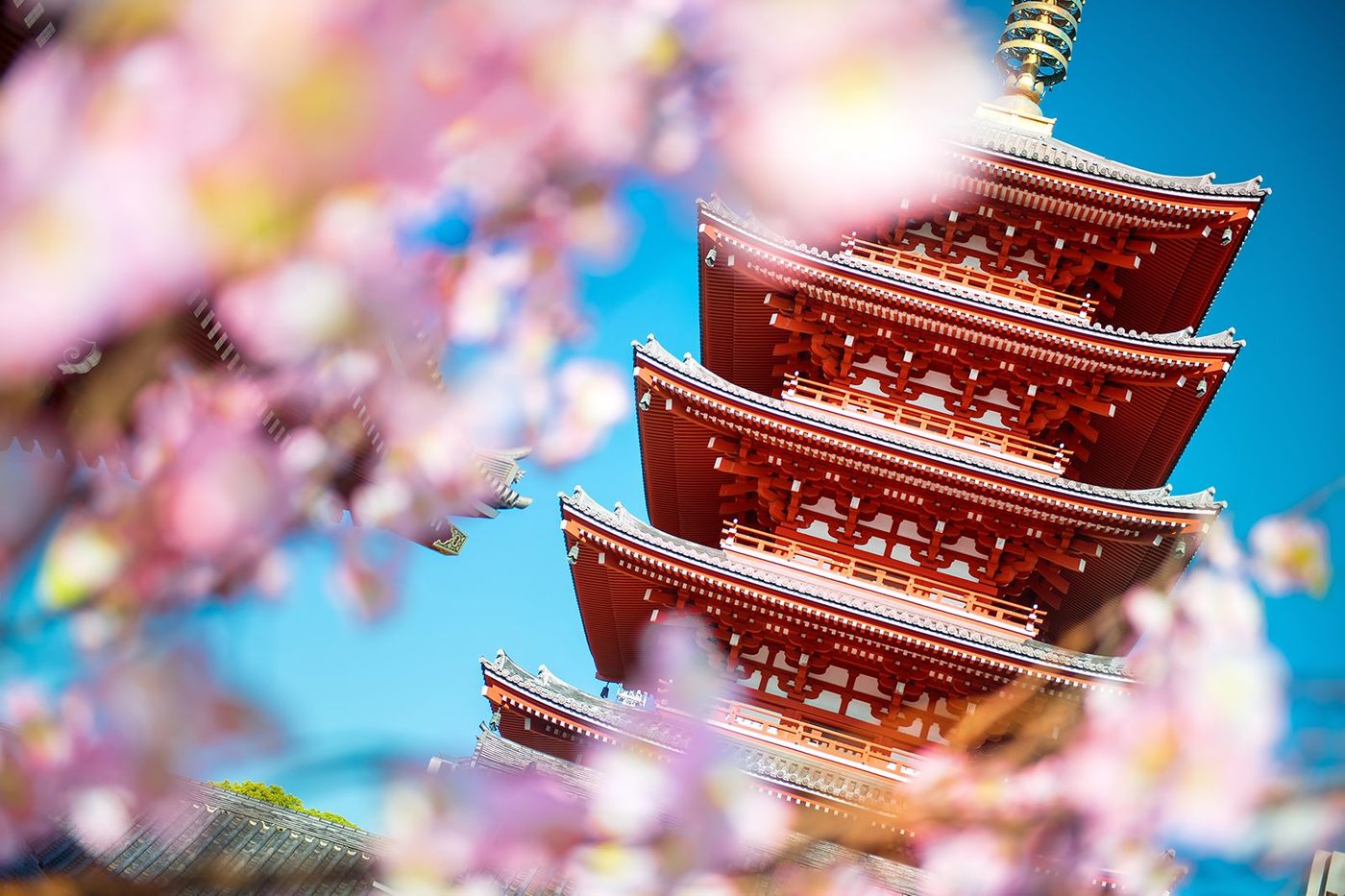
東京, 日本
東京を代表する観音霊場とおみくじ文化。
オンライン参拝
これらの文化体験はすべての訪問者が閲覧できます。参加時に未ログインの場合は登録またはログインへ進みます。
願いの方向を選び、おみくじの所作に入り、自分の記録から結果を開きます。
おみくじを始める一炷の香から今日の参拝を始め、願いを静かに記録します。
願いを一行書き、このオンライン参拝の個人的な記録として保存します。
願い灯を一つともして、この気持ちの小さな記録にします。
今回のオンライン参拝を巡礼パスポートに残します。
浅草寺は東京・台東区にある東京を代表する古刹です。雷門、仲見世、観音堂が浅草らしい参詣体験を形づくります。
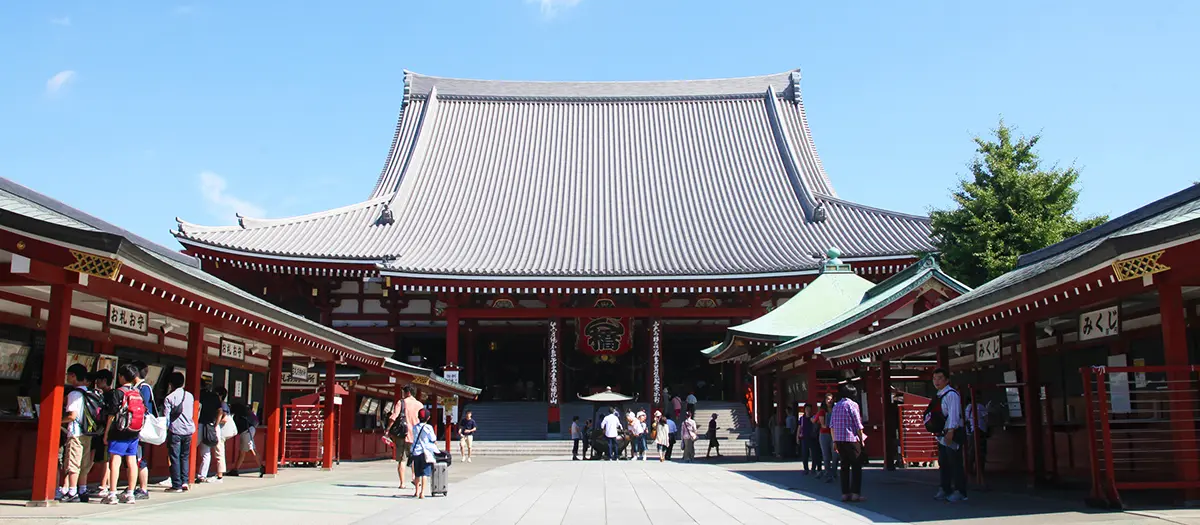
寺院のある街、代表的な景観、参拝の雰囲気を合わせて見ると、文化的な位置づけが分かりやすくなります。
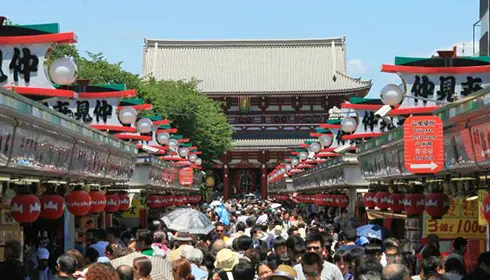
寺院の訪問は本堂だけでなく、門、参道、庭、周辺の街や自然も含めて見ると立体的になります。
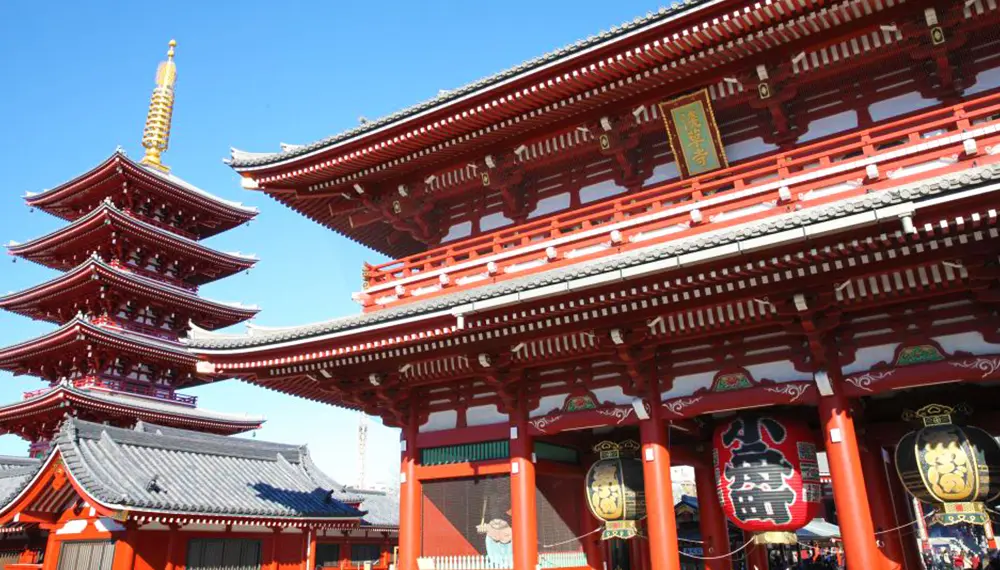
浅草寺 は地域の信仰や街の記憶とあわせて見ると魅力が伝わります。
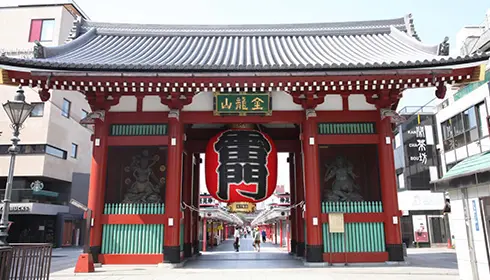
周辺の街歩き、自然景観、文化施設と組み合わせることで、より立体的な旅になります。
周辺の街歩き、自然景観、文化施設と組み合わせることで、より立体的な旅になります。
浅草寺は日本 · 東京にあり、地域の記憶、仏教伝統、参拝ルートの中で理解すると見え方が深まります。
隅田川で観音像が示現したという伝承が浅草寺縁起の中心です。
現在の浅草寺は、信仰、観光、都市の記憶を結ぶ東京の名所です。
浅草寺は現在、旅行者が訪れる文化的な場所であると同時に、参拝と祈願の場でもあります。
有名寺院は文化遺産、都市の目印、旅行ルートの節点を兼ねることが多く、周辺地域と合わせて訪れると理解しやすくなります。
開門時間、料金、予約、行事、保守予定は変わる場合があるため、訪問前に公式情報を確認してください。
本ページでは浅草金龍山観音寺一百籤をもとに、画像、裏面、現代語訳、文化的な解釈を提供します。
寺院の信仰背景、参拝礼儀、祈願の雰囲気を文化体験として紹介します。
雷門は浅草を象徴する入口で、大提灯が参詣の高揚感を生みます。
仲見世通りは雷門と本堂を結び、参詣と江戸情緒の買い物体験を重ねます。
おみくじは浅草体験の一部であり、引き、読み、結ぶ所作までが記憶に残ります。
現地の案内と参拝者の流れを尊重しながら、ゆっくり進んでください。
現地の案内と参拝者の流れを尊重しながら、ゆっくり進んでください。
現地の案内と参拝者の流れを尊重しながら、ゆっくり進んでください。
現地の案内と参拝者の流れを尊重しながら、ゆっくり進んでください。
有名寺院の周辺では駐車制限、行列、祭礼時の交通規制が起きやすいため、公共交通を優先してください。
参道、山道、古い街区そのものが体験の一部になるため、予定を詰め込みすぎないでください。
祭礼日や観光シーズンは混雑しやすいため、早めの到着と時間の余裕をおすすめします。
確認日2026-07-03
時間開門時間は季節、行事、メンテナンスにより変わる場合があります。公式ページまたは現地掲示をご確認ください。
料金拝観料や予約条件は変更される場合があります。本ページは参考リンクを提供し、リアルタイム料金を保証しません。
注意本ページは独立した文化・旅行情報の整理であり、寺院または景区の公式サービスではありません。
季節や時間帯によって人出、光、寺院の雰囲気が変わります。
季節や時間帯によって人出、光、寺院の雰囲気が変わります。
季節や時間帯によって人出、光、寺院の雰囲気が変わります。
寺院だけでなく、周辺の街区や自然、文化施設とあわせて計画すると便利です。
寺院だけでなく、周辺の街区や自然、文化施設とあわせて計画すると便利です。
寺院だけでなく、周辺の街区や自然、文化施設とあわせて計画すると便利です。
地元の人がどのように歩き、立ち止まり、祈るかを見ると、建築だけでは分からない寺院の姿が見えてきます。
地元の人がどのように歩き、立ち止まり、祈るかを見ると、建築だけでは分からない寺院の姿が見えてきます。
地元の人がどのように歩き、立ち止まり、祈るかを見ると、建築だけでは分からない寺院の姿が見えてきます。
入口や参道で少し立ち止まり、現地の参拝の流れを観察してから進むと理解しやすくなります。
オンライン祈願は個人の記録として扱い、現地の宗教サービスとは区別して体験してください。
寺院の後に周辺の街区、川沿い、山道、博物館などへ広げると記憶に残りやすくなります。
浅草寺の訪問は、歴史背景、建築空間、参拝礼儀、地図、周辺ルートを合わせて考えると理解しやすくなります。
オンライン祈願は個人の記録と静かな省察として扱い、現地では掲示、参拝者の流れ、地域の礼儀を尊重してください。
オンライン祈願は個人の記録と静かな省察として扱い、現地では掲示、参拝者の流れ、地域の礼儀を尊重してください。
撮影、列、堂内での行動は、現地掲示とスタッフの案内に従ってください。
本サイトのオンライン祈願は文化体験であり、寺院公式の宗教サービスではありません。
画像: ページではローカル保存画像を使用し、画像の出典、リンク、権利メモを整理して管理しています。