在线求签
选择求问方向,进入摇签仪式,再从你的真实记录中查看签文。
开始求签
Kyoto, Japan
京都山林與觀音信仰的經典景象。
线上参访
这些文化体验所有访客都可以看到。点击参与时,如未登录会先引导注册或登录。
选择求问方向,进入摇签仪式,再从你的真实记录中查看签文。
开始求签Begin the visit with a quiet incense offering and a personal wish.
Write a private wish note, with anonymous walls reserved for later.
Light a wish lamp as a small record of this intention.
Add this online visit to your pilgrimage passport.
清水寺坐落於京都東山,以木造舞台、四季山景和音羽瀑布聞名,是京都文化旅遊的重要象徵。
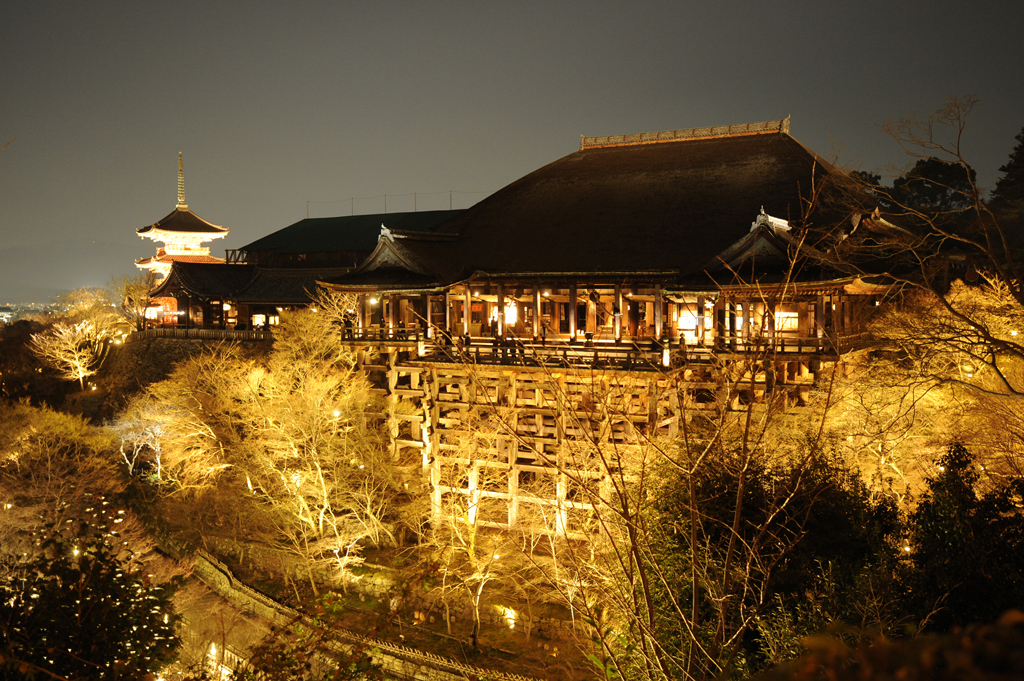
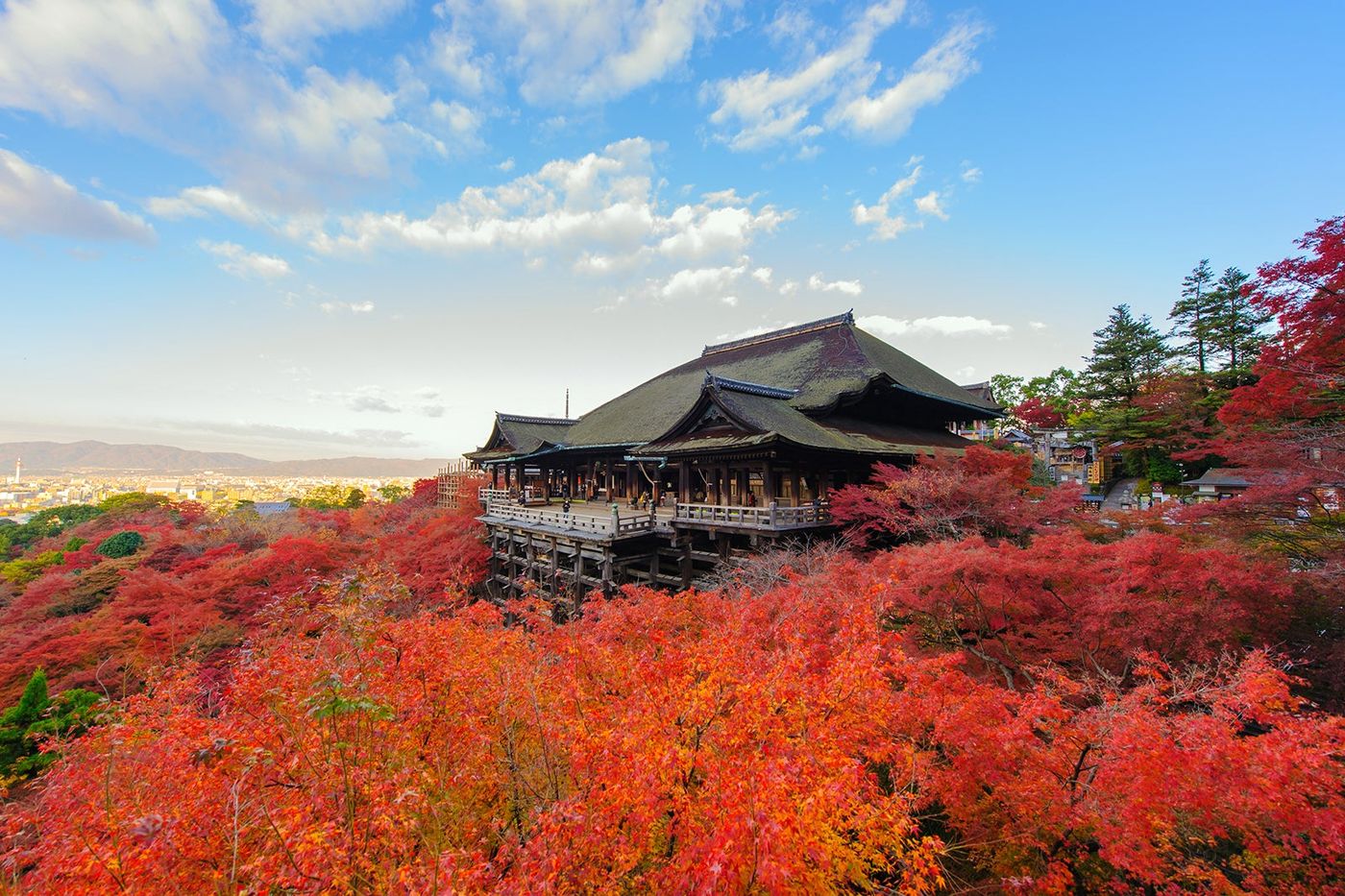
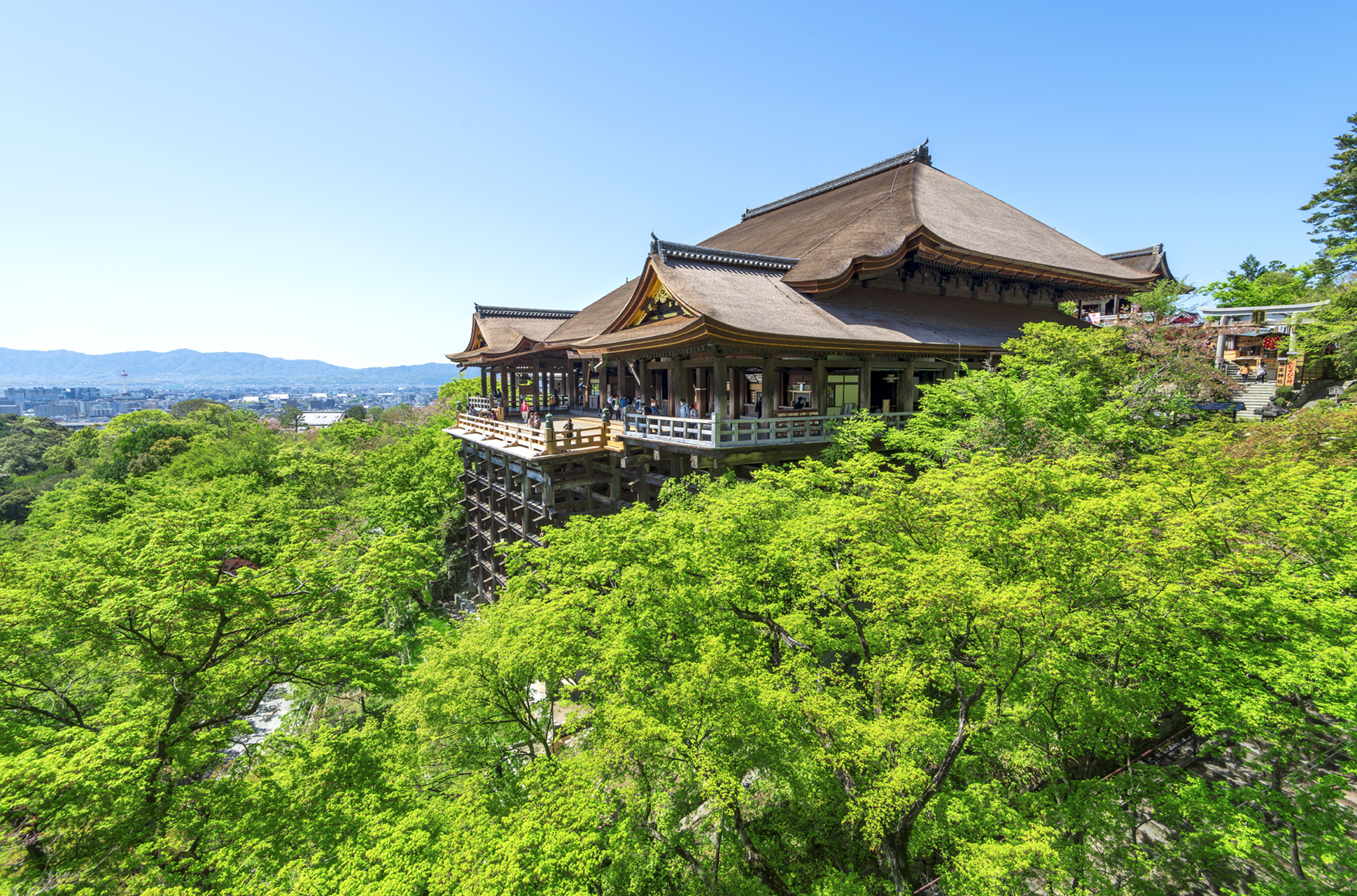
The visual core is the wooden stage projecting from the hillside, layering temple, forest, city, and season.

Otowa Waterfall gives the temple's name a physical form and naturally connects travel, wishes, and reflection.

The wooden stage projects from the hillside, layering temple architecture, city views, and seasonal color into one of Kyoto's defining scenes.

Otowa Waterfall gives the temple's name a physical presence and connects water, wishes, and purification.
本頁體驗採用日式觀音百籤文化整理版,結合清水寺的觀音信仰、音羽瀑布與京都參訪語境提供語譯和文化釋義。

Kiyomizu-dera's atmosphere comes from Kannon devotion, hillside terrain, and the symbolism of water. The visit moves from sloped streets to the wooden stage and then to Otowa Waterfall.
清水舞台從山腰伸出,木構架與京都四季景色共同形成清水寺最著名的畫面。
音羽瀑布讓「清水」之名具象化,也讓參拜者把水、願望和日常生活聯繫起來。
清水寺傳統上追溯到奈良時代末期,圍繞觀音信仰發展。
The visual entry point into the temple grounds.
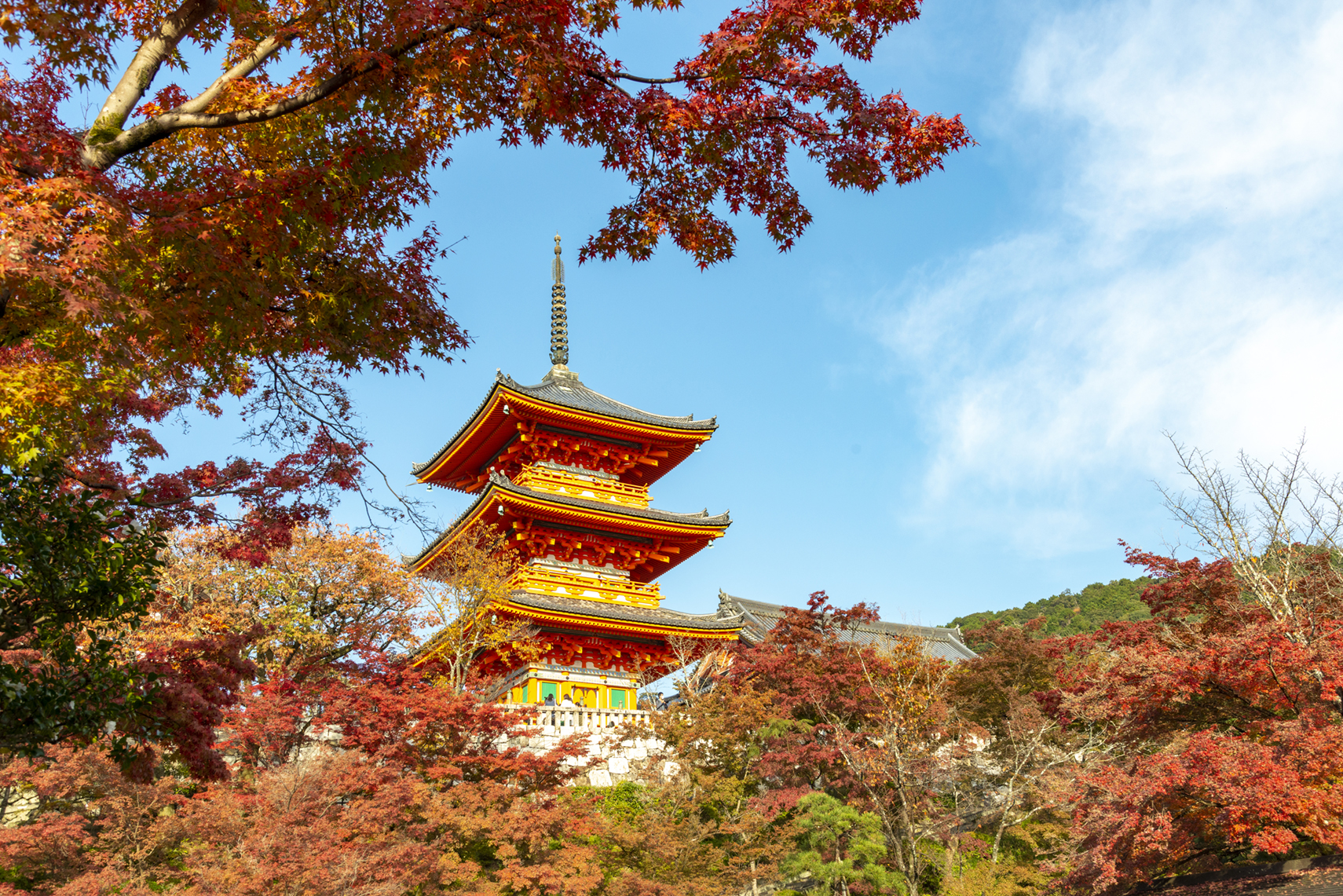
A vivid red landmark against the Higashiyama backdrop.
The temple's key architectural and viewing point.
A ritual point tied to water, wishes, and purification.
A common route is city bus to Gojo-zaka or Kiyomizu-michi, followed by an uphill walk. Buses are crowded in peak seasons.
Kiyomizu-dera works best as a Higashiyama walk through Ninenzaka, Sannenzaka, Yasaka Shrine, and Gion.
During cherry blossom, autumn foliage, and night events, paths and viewpoints are crowded; arrive early or plan a reverse route.
資訊核對時間2026-07-03
開放時間The official 2026 schedule lists opening at 6:00, with closing time changing by season and special night openings.
門票Admission is required. Public travel guides list adult admission around 500 yen, with child pricing separate; verify on official or on-site notices.
提示Special night viewings and annual events vary by year; check the official schedule before visiting.
Soft cherry blossom scenes, with heavy crowds.
Autumn foliage is one of the temple's signature scenes.
Snow is less common but gives the temple a quiet atmosphere.
Classic stone lanes leading toward Gion.
Connects well into a temple-shrine Higashiyama walk.
Move from hillside temple to traditional evening streets.

Sloped lanes, stone paths, teahouses, and pottery shops turn the visit into a Kyoto walk rather than a simple arrival.

Kimono rentals, cherry blossoms, and autumn foliage shape the area. Visitors should separate photo time, prayer, and crowd avoidance.

Kiyomizu-dera links naturally with Ninenzaka, Sannenzaka, Kodai-ji, Yasaka Shrine, and Gion for a full Higashiyama route.
The uphill lanes, teahouses, pottery shops, and crowd flow gradually build the Kiyomizu atmosphere.
Do not overpack an autumn visit; the stage, waterfall, and lanes all require waiting and lingering time.
After visiting, walk down through Ninenzaka and Sannenzaka toward Gion for one of Kyoto's most classic routes.
Kiyomizu-dera is one of Kyoto's defining hillside temples. Its core experience includes the wooden stage, Otowa Waterfall, pagoda, and the gradual approach through Higashiyama lanes.
Kiyomizu-dera should not be treated only as a photo stop. A complete visit includes access, the uphill walk, prayer, viewing, water ritual, and the descent through old streets.
Cherry blossom, autumn foliage, and night openings strongly change crowds and atmosphere. Confirm official hours and leave buffer time for buses and walking bottlenecks.
The stage and gates are crowded; keep paths open while taking photos.
The slope streets, shops, and temple together form the Kiyomizu experience.
Image: Photo downloaded locally from Go Guides / Hotels.com CDN; cultural references from Kiyomizu-dera official site and Kyoto tourism.