在线求签
选择求问方向,进入摇签仪式,再从你的真实记录中查看签文。
开始求签
Tokyo, Japan
東京最具代表性的觀音寺與御神籤體驗。
线上参访
这些文化体验所有访客都可以看到。点击参与时,如未登录会先引导注册或登录。
选择求问方向,进入摇签仪式,再从你的真实记录中查看签文。
开始求签Begin the visit with a quiet incense offering and a personal wish.
Write a private wish note, with anonymous walls reserved for later.
Light a wish lamp as a small record of this intention.
Add this online visit to your pilgrimage passport.
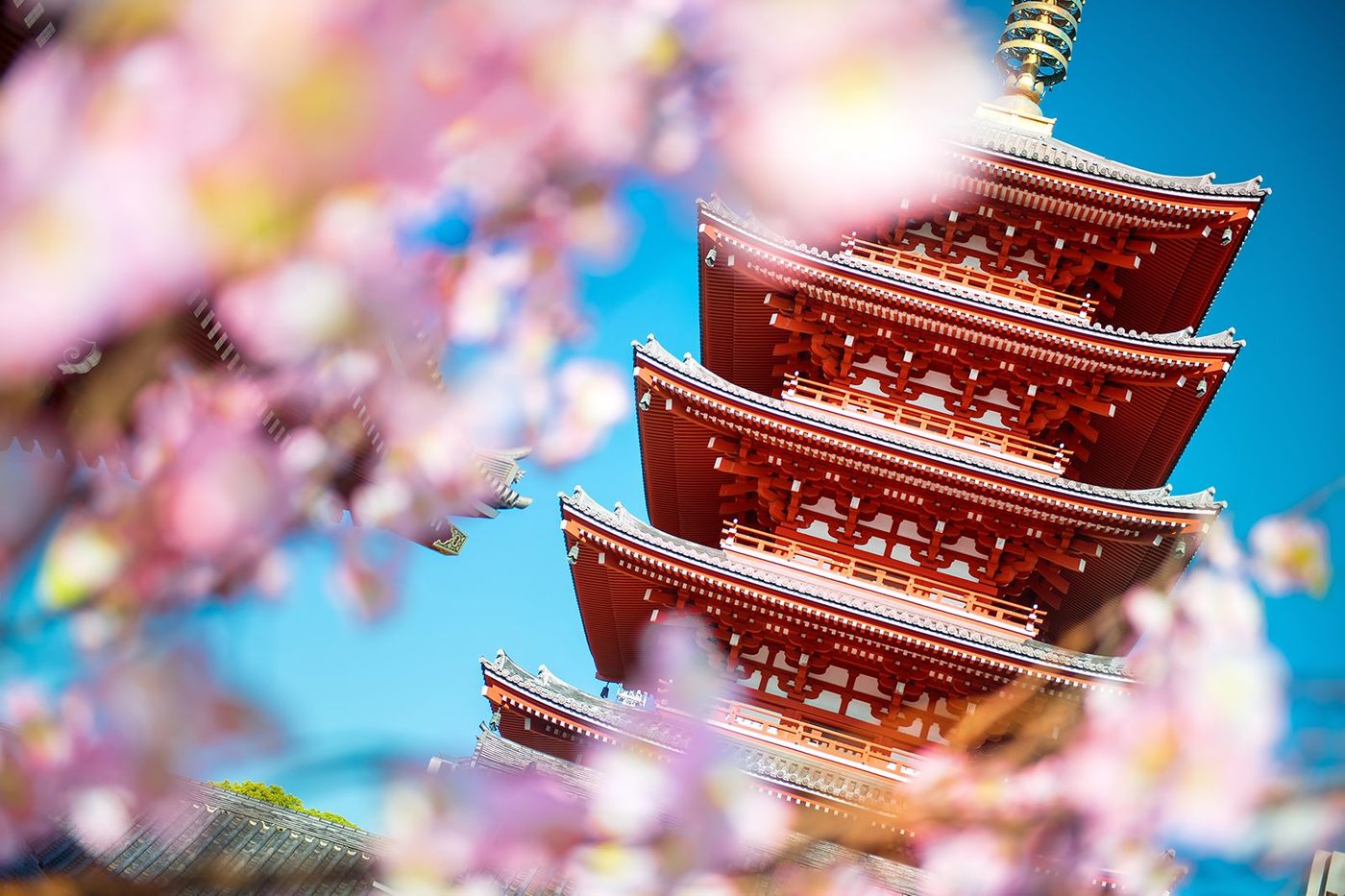
淺草寺位於東京台東區,是東京最古老、最具代表性的寺院之一。雷門、仲見世通和觀音堂共同構成了旅人熟悉的淺草景象。
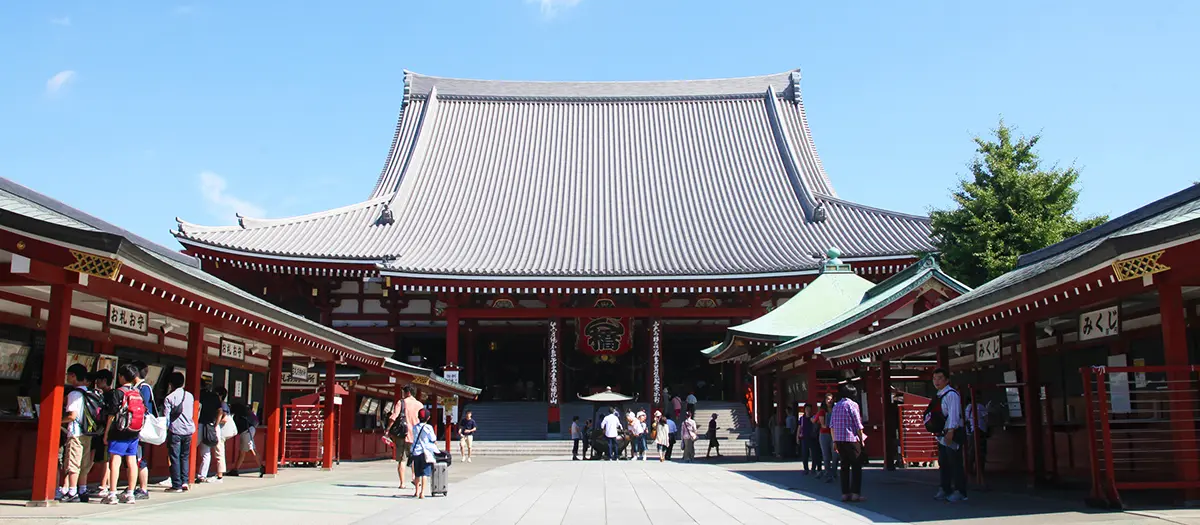
The first impression is the gate, lantern, and crowd flow. The page should begin with this sense of arrival in old Tokyo.

The draw is not an isolated button; it follows prayer, quiet attention, shaking the tube, reading, and tying the slip.

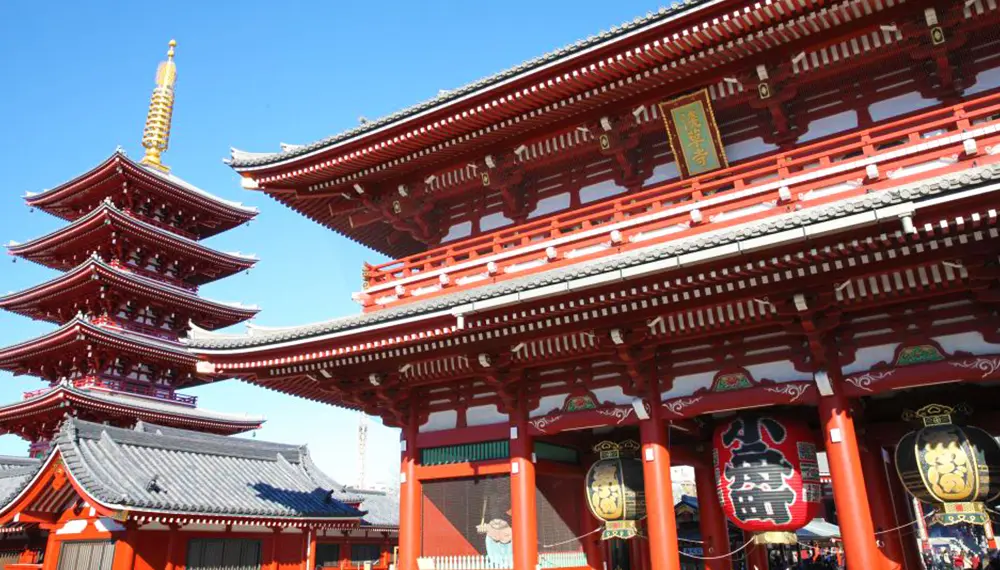
Senso-ji is not just a hall; it is a complete approach. Kaminarimon, Nakamise, Hozomon, and the main hall create a layered walk through faith, shopping, and old Tokyo.

The omikuji flow is easy to understand: shake the tube, match the number, read the slip, and tie away misfortune when needed.
By day, Asakusa is energetic and crowded; early mornings and evenings reveal quieter architecture, light, and neighborhood rhythm.
本頁體驗以淺草金龍山觀音寺一百籤為基礎,提供籤文圖片、背面圖、語譯與文化釋義。

Senso-ji centers on Kannon devotion. In East Asian Buddhist culture, Kannon is associated with compassion and listening to suffering, making the temple a natural place for wishes, safety, travel, and personal reflection.
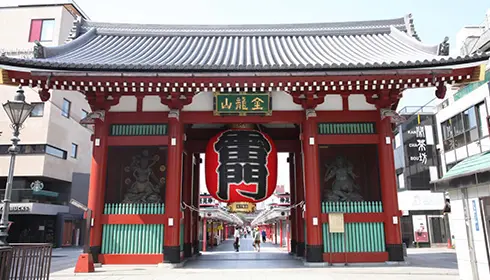
雷門是淺草最具辨識度的入口,巨大的紅燈籠讓旅人一眼進入東京下町的參拜氛圍。
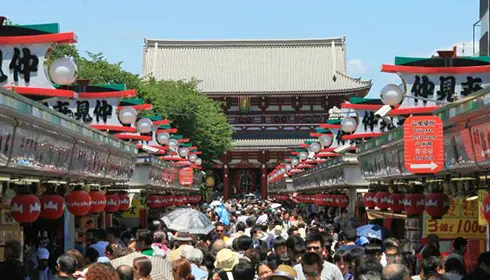
仲見世通連接雷門與本堂,兩側店鋪讓參拜路線也成為東京傳統商店街體驗。
御神籤是許多旅人的淺草體驗之一:抽籤、讀籤、把不順留在籤架上。
傳說漁民在隅田川中發現觀音像,成為淺草寺緣起的核心故事。
淺草寺成為東京最具國際知名度的寺廟之一,連接宗教、旅遊與城市記憶。
The iconic entrance and natural starting point of the visit.
A traditional shopping approach connecting gate and temple.
Key visual landmarks before entering the temple core.
After prayer, visitors can draw and read an omikuji.
Tokyo Metro Ginza Line, Toei Asakusa Line, and Tobu Skytree Line serve Asakusa. Walk toward Kaminarimon after exiting.
The Ginza Line connects Ueno, Ginza, and Asakusa, making it easy to combine museums, shopping, and temple visits.
After the temple, walk to the Sumida River and continue toward Tokyo Skytree for a classic old-new Tokyo route.
資訊核對時間2026-07-03
開放時間Main hall is generally 6:00-17:00, opening around 6:30 from October to March; temple grounds are generally always open.
門票Admission is generally free.
提示Festivals, New Year crowds, and maintenance can affect access; verify with official or local tourism pages.
Cherry blossoms and the pagoda make a memorable scene, with heavier crowds.
A lively season for combining the temple with Sumida River walks.
New Year visits are atmospheric but extremely crowded.
Easy to pair with Asakusa in a half-day route.
A calm open-space walk after the temple visit.
Museums, parks, and traditional streets form a cultural route.

Asakusa keeps an old-town Tokyo feel through snacks, souvenirs, yukata visitors, rickshaws, and storefront signs.

Sanja Matsuri, New Year visits, and weekends bring heavy crowds. Early morning is quieter, while daytime gives the liveliest street atmosphere.

Pair Senso-ji with the Sumida River, Skytree, or Ueno for a contrast between old Tokyo, riverside scenery, and modern landmarks.
Arriving early gives you a quieter gate, a slower Nakamise walk, and a calmer main hall visit.
At night, crowds thin out and the gate and pagoda become more cinematic under lights.
After drawing a fortune, walk to the river and view Skytree for a clean contrast between old and modern Tokyo.
Senso-ji is one of Tokyo's best places for a first encounter with Japanese temple culture. The experience begins at Kaminarimon, continues through Nakamise, passes Hozomon, and arrives at the Kannon hall.
For quiet, arrive early around the gate and main hall. For the liveliest Asakusa mood, visit during the day along Nakamise. At night, some facilities close, but the illuminated architecture is excellent for walking.
Omikuji at Senso-ji works best as a cultural and reflective experience. Tying an unfavorable slip at the rack and keeping a favorable one are both memorable parts of the visit.
The approach itself is part of the experience; do not rush straight to the draw.
Treat the draw as cultural reflection, not something to repeat until the answer changes.
Image: Photo downloaded locally from Go Guides / Hotels.com CDN; cultural references from Senso-ji official site and Tokyo tourism.