Online fortune draw
Choose a wish direction, enter the draw ritual, and open your fortune from your own record.
Start draw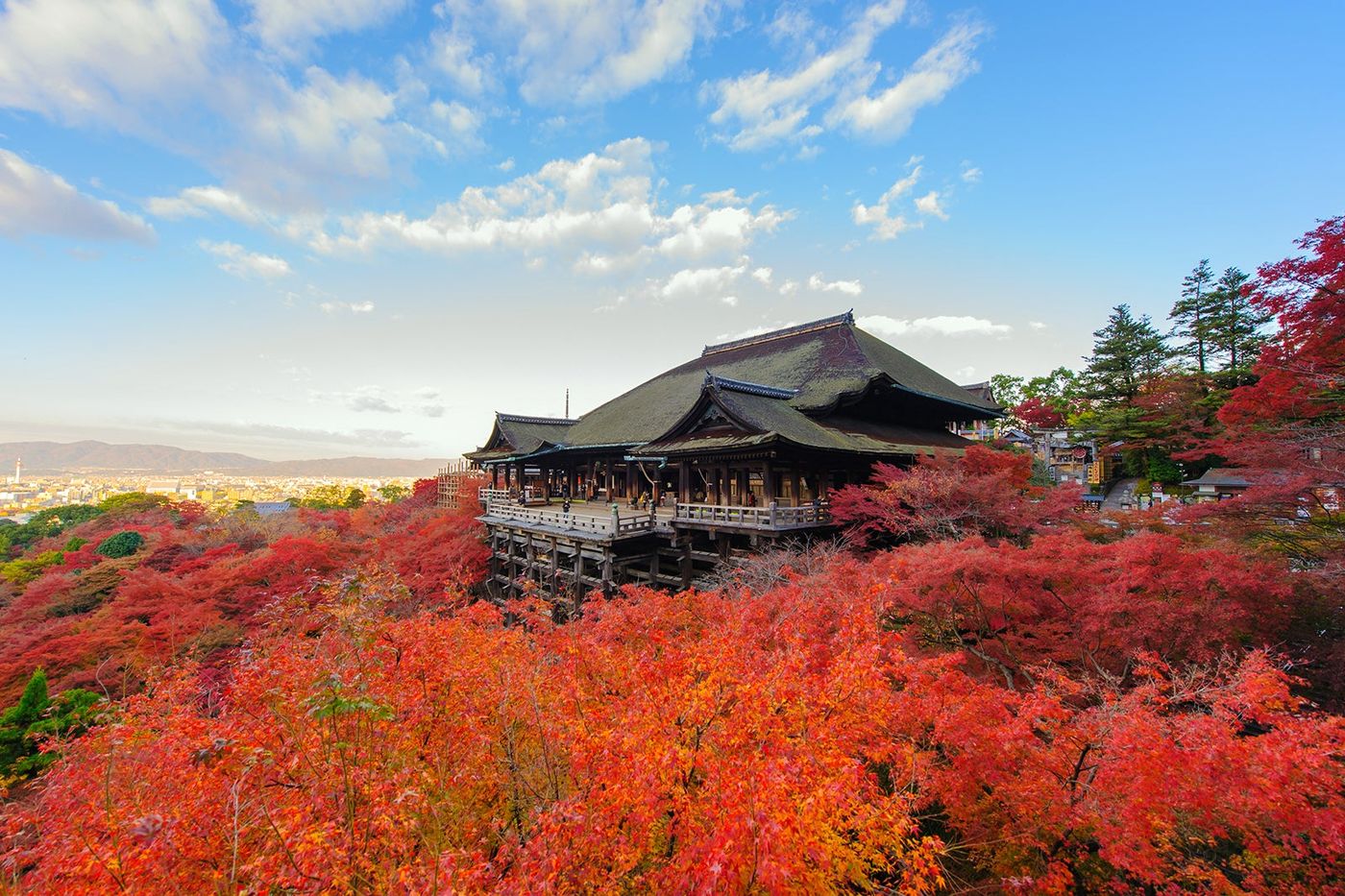
Kyoto, Japan
A Kyoto icon of mountain scenery and Kannon devotion.
Online visit
These cultural experiences are visible to everyone. Sign in when you want to save one to your wish space.
Choose a wish direction, enter the draw ritual, and open your fortune from your own record.
Start drawBegin the visit with a quiet incense offering and a personal wish.
Write a private wish note as a personal record of this online visit.
Light a wish lamp as a small record of this intention.
Add this online visit to your pilgrimage passport.
Kiyomizu-dera sits in Kyoto's Higashiyama area, known for its wooden stage, seasonal mountain views, and Otowa Waterfall.
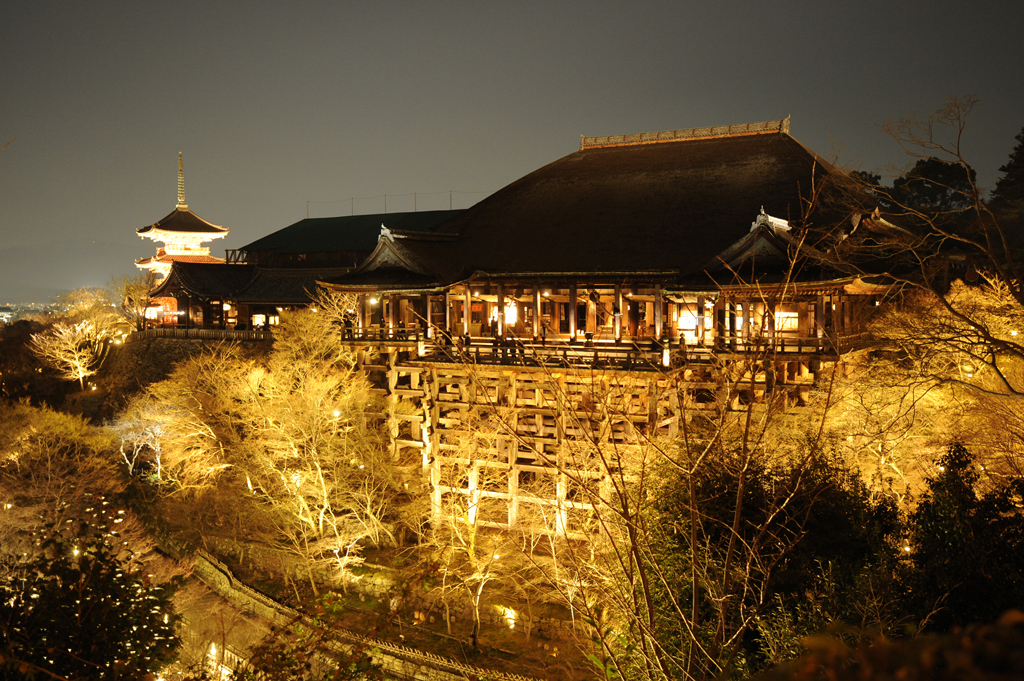
The visual core is the wooden stage projecting from the hillside, layering temple, forest, city, and season.
Otowa Waterfall gives the temple's name a physical form and naturally connects travel, wishes, and reflection.
The wooden stage projects from the hillside, layering temple architecture, city views, and seasonal color into one of Kyoto's defining scenes.
Otowa Waterfall gives the temple's name a physical presence and connects water, wishes, and purification.
Kiyomizu-dera in Japan · Kyoto is best understood through local memory, Mahayana Buddhist tradition, and the way visitors move through the site today. Origin accounts, reconstruction records, architecture, and present-day crowd flow all shape the temple experience.
The temple tradition traces back to the late Nara period and developed around Kannon devotion.
Kiyomizu-dera is both a cultural place for travelers and a devotional space where people still pause, pray, and move quietly.
Well-known temples often serve as heritage sites, city landmarks, and anchors for nearby walks, landscapes, or museums.
Hours, admission, reservations, ceremonies, and maintenance can change, so check temple or local tourism sources before visiting.
This draw experience follows a widely circulated Guanyin one-hundred-lot tradition for online cultural reflection. It is not an official temple service and does not replace an on-site visit.
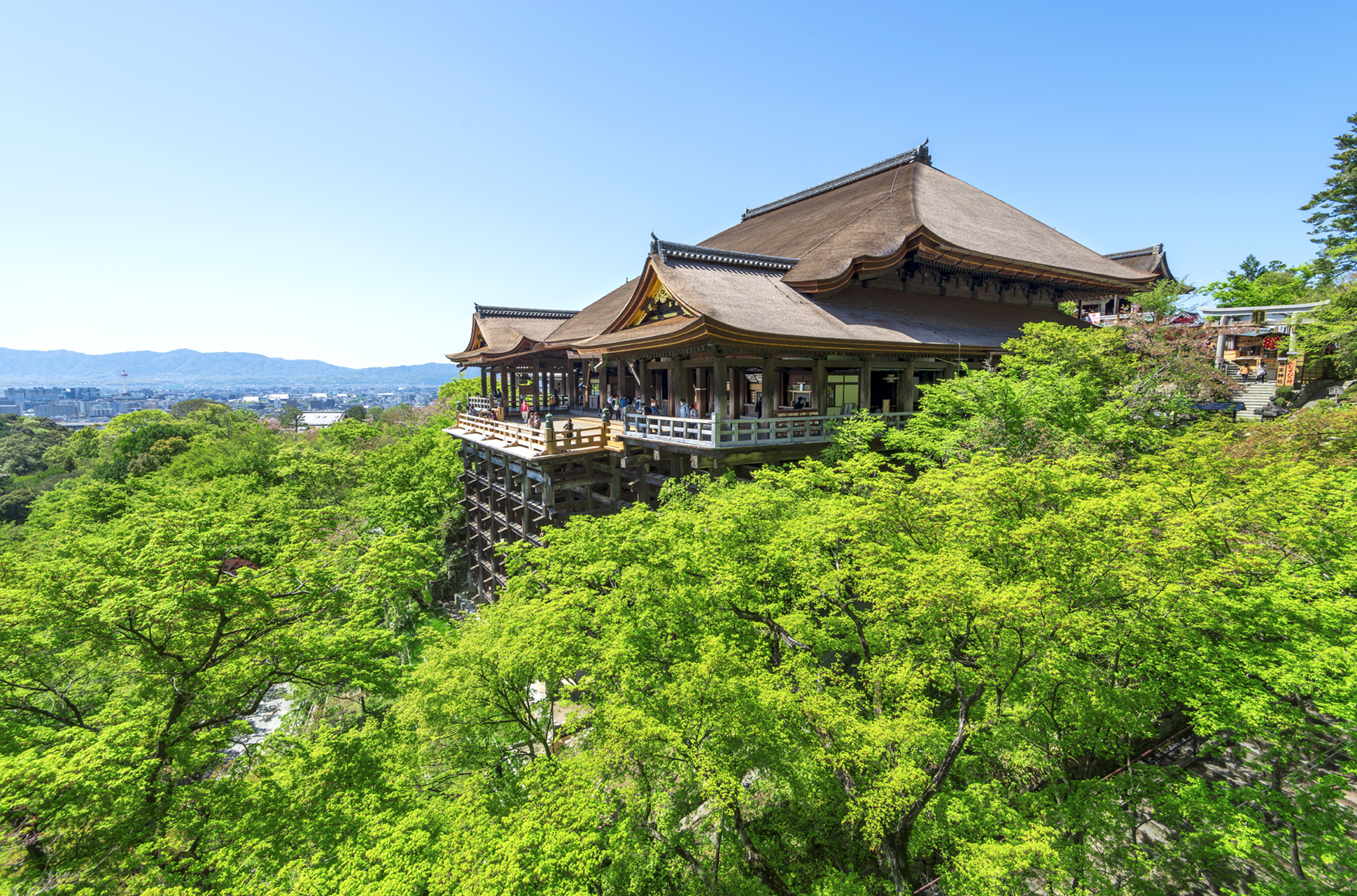
Kiyomizu-dera's atmosphere comes from Kannon devotion, hillside terrain, and the symbolism of water. The visit moves from sloped streets to the wooden stage and then to Otowa Waterfall.
The wooden stage projects from the hillside, framing Kyoto's seasonal scenery.
Otowa Waterfall gives the temple's name a tangible form, connecting water, wishes, and daily life.
The visual entry point into the temple grounds.
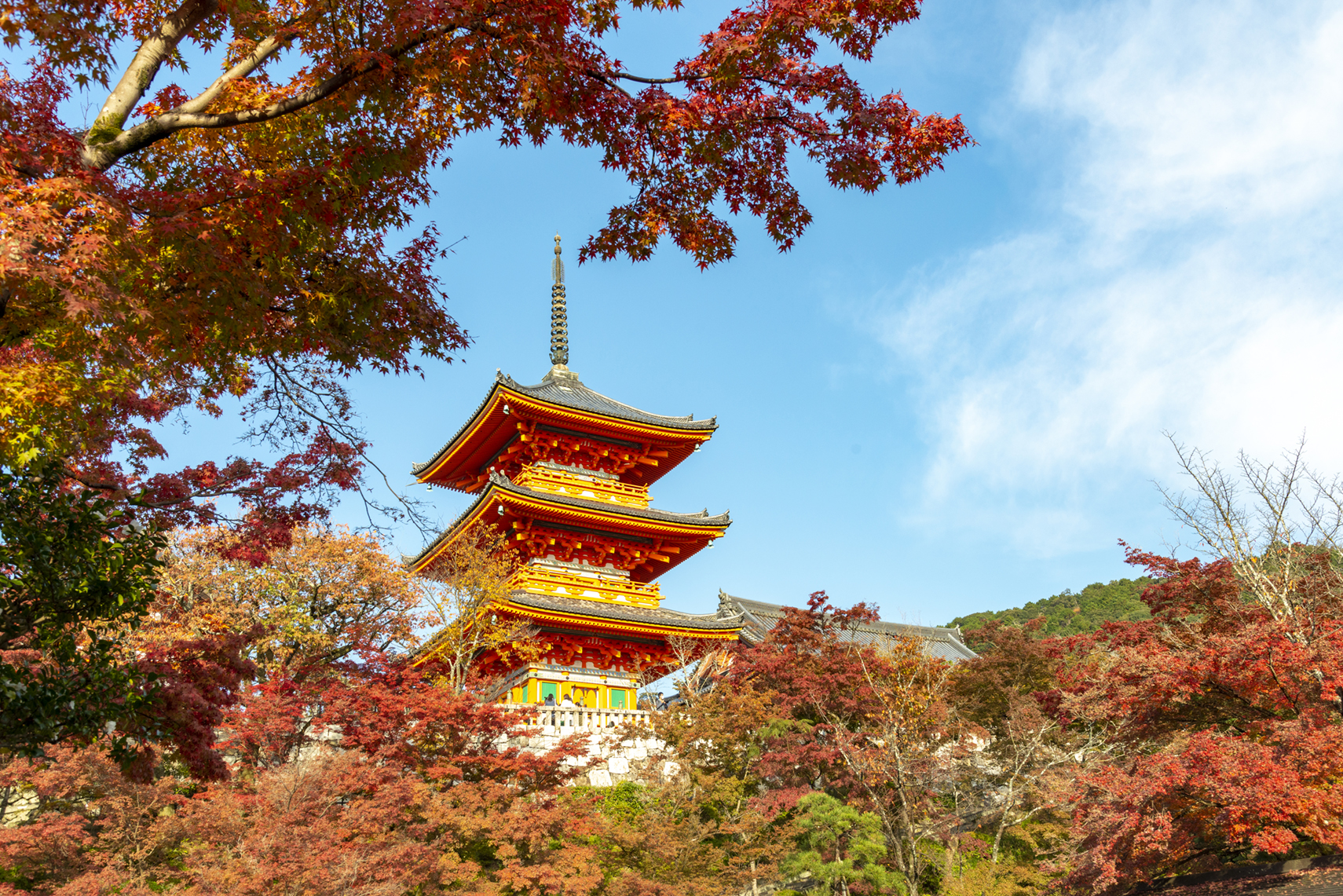
A vivid red landmark against the Higashiyama backdrop.
The temple's key architectural and viewing point.
A ritual point tied to water, wishes, and purification.
A common route is city bus to Gojo-zaka or Kiyomizu-michi, followed by an uphill walk. Buses are crowded in peak seasons.
Kiyomizu-dera works best as a Higashiyama walk through Ninenzaka, Sannenzaka, Yasaka Shrine, and Gion.
During cherry blossom, autumn foliage, and night events, paths and viewpoints are crowded; arrive early or plan a reverse route.
Checked2026-07-03
HoursThe official 2026 schedule lists opening at 6:00, with closing time changing by season and special night openings.
AdmissionAdmission is required. Public travel guides list adult admission around 500 yen, with child pricing separate; verify on official or on-site notices.
NoticeSpecial night viewings and annual events vary by year; check the official schedule before visiting.
Soft cherry blossom scenes, with heavy crowds.
Autumn foliage is one of the temple's signature scenes.
Snow is less common but gives the temple a quiet atmosphere.
Classic stone lanes leading toward Gion.
Connects well into a temple-shrine Higashiyama walk.
Move from hillside temple to traditional evening streets.
Sloped lanes, stone paths, teahouses, and pottery shops turn the visit into a Kyoto walk rather than a simple arrival.
Kimono rentals, cherry blossoms, and autumn foliage shape the area. Visitors should separate photo time, prayer, and crowd avoidance.
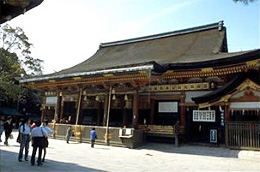
Kiyomizu-dera links naturally with Ninenzaka, Sannenzaka, Kodai-ji, Yasaka Shrine, and Gion for a full Higashiyama route.
The uphill lanes, teahouses, pottery shops, and crowd flow gradually build the Kiyomizu atmosphere.
Do not overpack an autumn visit; the stage, waterfall, and lanes all require waiting and lingering time.
After visiting, walk down through Ninenzaka and Sannenzaka toward Gion for one of Kyoto's most classic routes.
Kiyomizu-dera is one of Kyoto's defining hillside temples. Its core experience includes the wooden stage, Otowa Waterfall, pagoda, and the gradual approach through Higashiyama lanes.
Kiyomizu-dera should not be treated only as a photo stop. A complete visit includes access, the uphill walk, prayer, viewing, water ritual, and the descent through old streets.
Cherry blossom, autumn foliage, and night openings strongly change crowds and atmosphere. Confirm official hours and leave buffer time for buses and walking bottlenecks.
The stage and gates are crowded; keep paths open while taking photos.
The slope streets, shops, and temple together form the Kiyomizu experience.
Image: This page uses locally stored images; source links and rights notes are maintained in the site's attribution records.