Online fortune draw
Choose a wish direction, enter the draw ritual, and open your fortune from your own record.
Start draw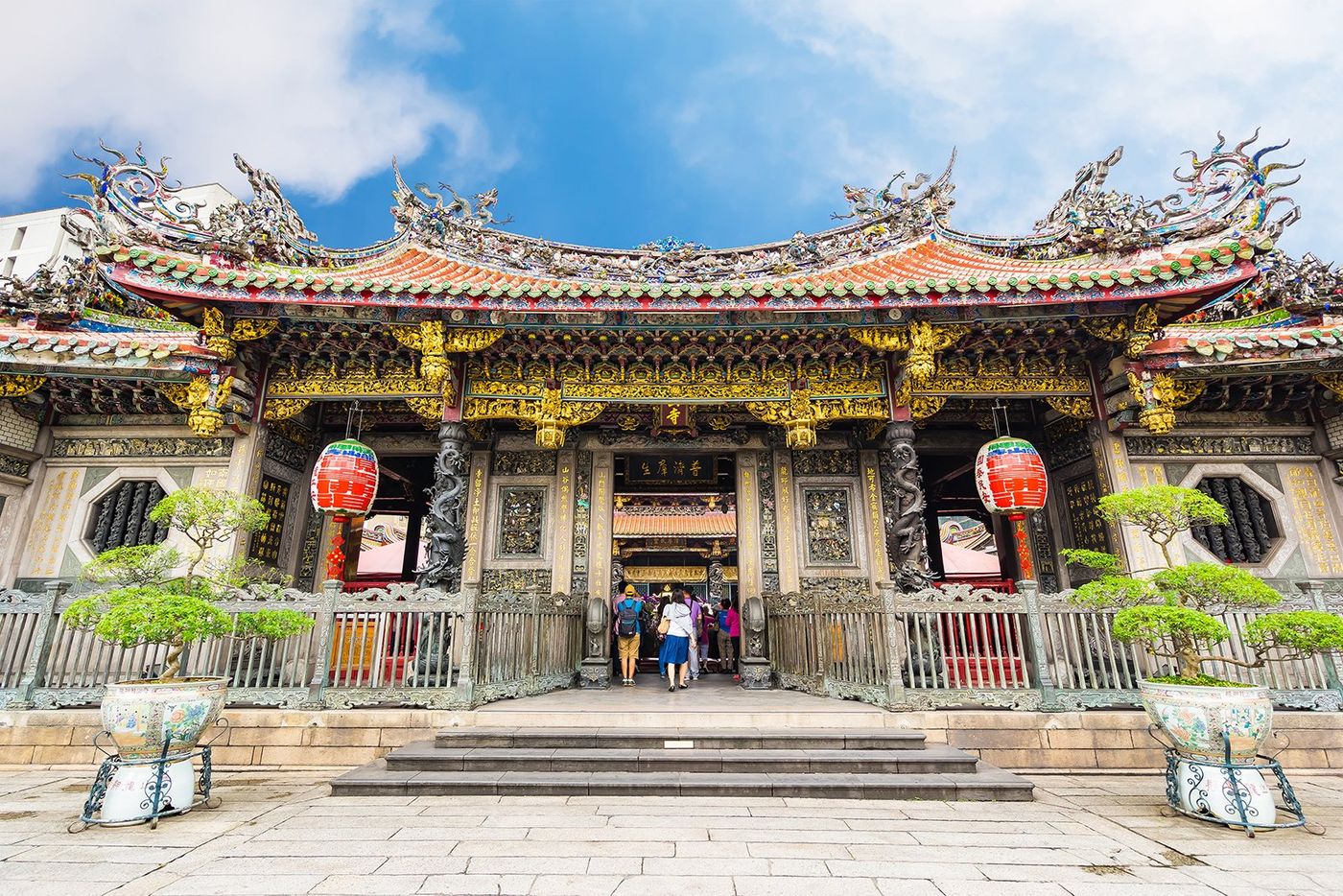
Taipei, Taiwan, China
A landmark of Taipei's Kannon devotion and temple culture.
Online visit
These cultural experiences are visible to everyone. Sign in when you want to save one to your wish space.
Choose a wish direction, enter the draw ritual, and open your fortune from your own record.
Start drawBegin the visit with a quiet incense offering and a personal wish.
Write a private wish note as a personal record of this online visit.
Light a wish lamp as a small record of this intention.
Add this online visit to your pilgrimage passport.
Longshan Temple in Taipei's Wanhua district is one of Taiwan's most recognizable temples, blending Kannon devotion, folk prayer, and urban life.
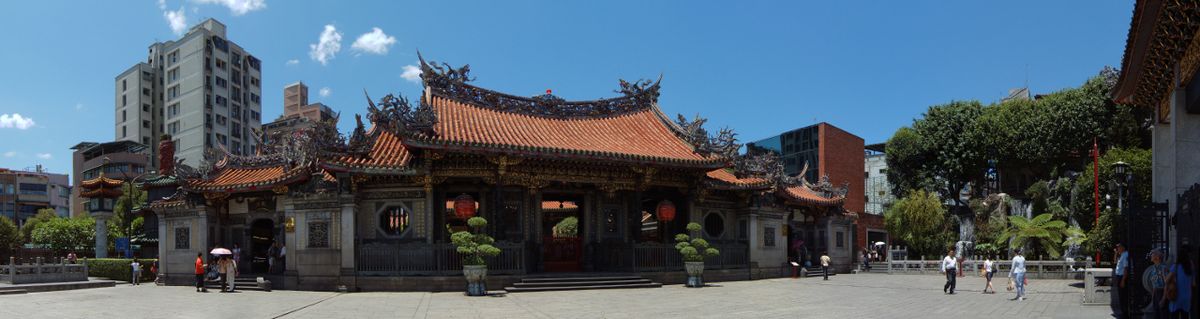
Longshan is defined by daily faith: the old district, courtyard, worshippers, and surrounding streets all matter.
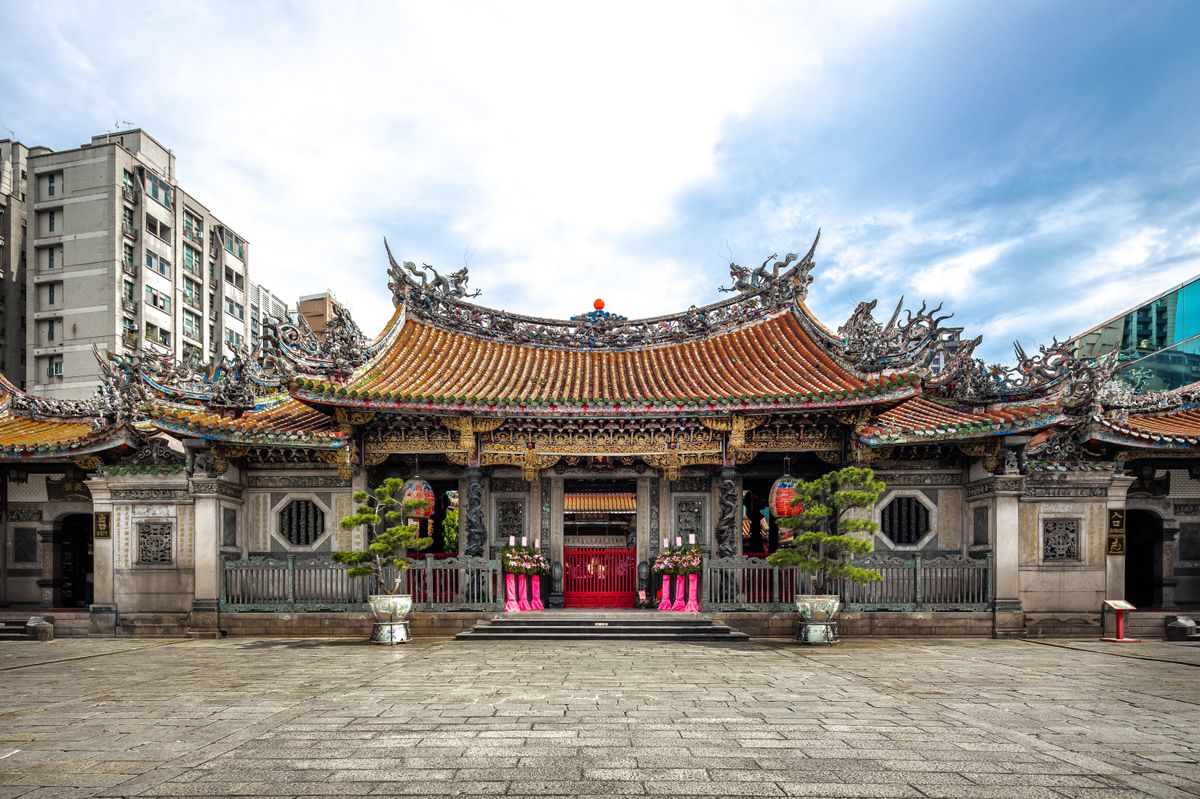
Guanyin devotion and folk prayer coexist here, making it useful to explain how different wish themes are arranged.
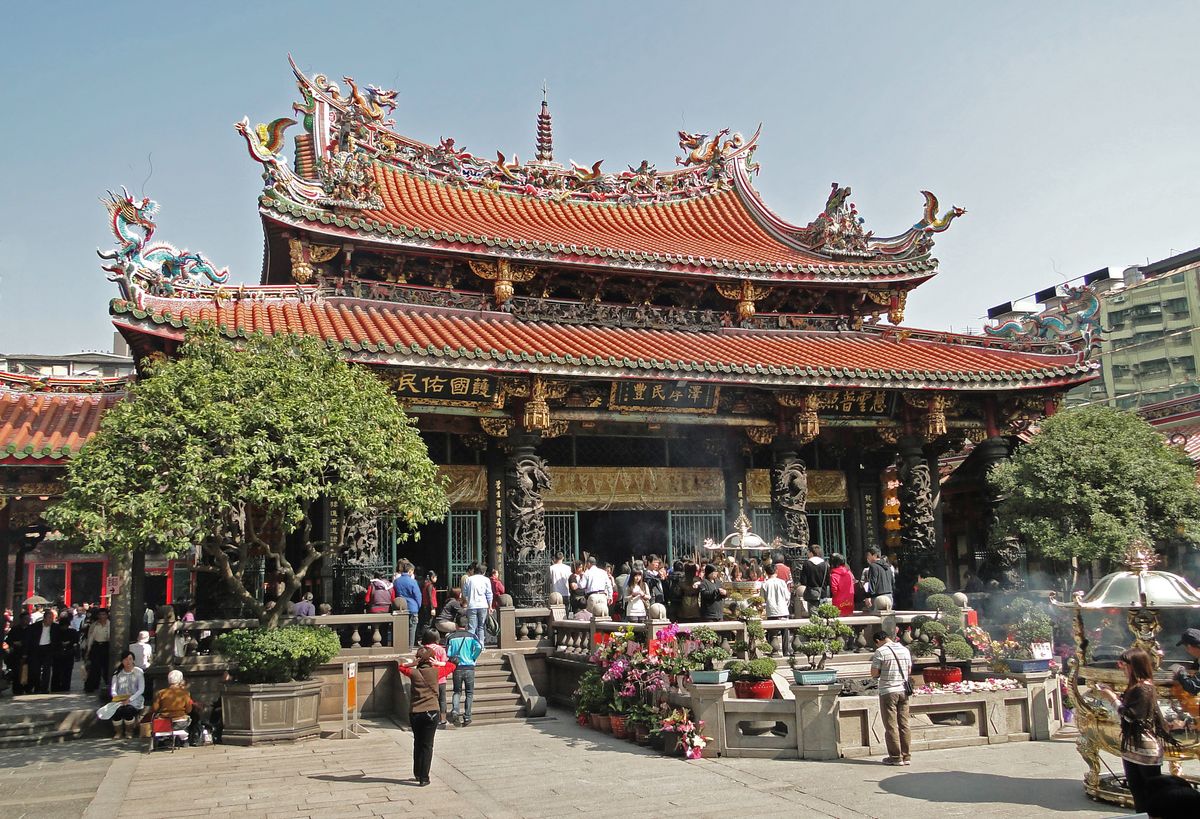
Longshan Temple is part of Wanhua's living city fabric, where local prayer, incense, and fortune rituals blend with the rhythm of an old neighborhood.
The temple centers on Guanyin while hosting other folk devotional themes, making it a strong example of layered Chinese temple culture.
Longshan Temple in Taiwan, China · Taipei is best understood through local memory, folk Buddhist tradition, and the way visitors move through the site today. Origin accounts, reconstruction records, architecture, and present-day crowd flow all shape the temple experience.
Founded in the Qing period, Longshan Temple has long been central to Wanhua's religious and community life.
Longshan Temple is both a cultural place for travelers and a devotional space where people still pause, pray, and move quietly.
Well-known temples often serve as heritage sites, city landmarks, and anchors for nearby walks, landscapes, or museums.
Hours, admission, reservations, ceremonies, and maintenance can change, so check temple or local tourism sources before visiting.
This draw experience follows a widely circulated Guanyin one-hundred-lot tradition for online cultural reflection. It is not an official temple service and does not replace an on-site visit.
Longshan's fortune ritual is often paired with divination blocks. Rather than simply drawing a slip, visitors pray, clarify intention, seek confirmation, and then read the fortune.
In Taipei's Wanhua district, Longshan Temple gathers incense, lanterns, roof ornamentation, and city devotion in one place.
The fortune ritual is often paired with divination blocks, reflecting a structured dialogue with the divine.
The first layer of the temple's social and ritual atmosphere.
Dense roof and carving details reveal Taiwanese temple aesthetics.
A gathering of different devotional themes.
After the visit, continue into Wanhua's food and historic streets.
Take Taipei MRT Bannan Line to Longshan Temple Station and walk from the exit.
Longshan and Ximending are close enough to combine old temple culture with a youth shopping district.
Bopiliao, Huaxi Street, and herbal lanes can be linked on foot for an old Taipei half-day walk.
Checked2026-07-03
HoursTaipei Travel lists daily opening hours as 06:00-22:00.
AdmissionAdmission is generally free; donations are accepted.
NoticeRituals and crowds vary during religious dates and Lunar New Year; check on-site notices.
Good for seeing local prayer rhythm and the courtyard.
Lanterns and incense make the temple more atmospheric.
Most ceremonial, but also the most crowded.
A good companion for understanding old Taipei.
Continue into local food and night-market culture.
A sharp contrast between traditional faith and youth culture.
The area is not just a tourist zone; herbal lanes, markets, old eateries, and temple crowds shape Wanhua's local character.
Roof ornamentation, painted details, lanterns, stonework, and incense burners explain why Taiwanese temple spaces feel so layered.
In the evening, temple lights, night-market stalls, and old storefronts give Wanhua a stronger local atmosphere.
Before joining the flow, pause in the courtyard and observe how locals move through the ritual.
Nearby food streets make the temple feel like part of everyday Taipei, not only a landmark.
Lanterns, roof details, incense burners, worshippers, and old stores together form the full Longshan memory.
Longshan Temple is one of the most important places for understanding faith in old Taipei. It sits in Wanhua, surrounded by markets, old streets, night food, and everyday worship.
The key details include the courtyard, halls, lanterns, roof ornamentation, and incense burners. The deeper value is seeing how locals continue to use the temple within city life.
Fortune drawing and divination blocks have a careful ritual order. A digital experience should respect this and present the draw as an entry into Taiwanese temple culture.
This is an active local worship space; avoid interrupting worshippers.
The draw and confirmation process has an order that should be treated seriously.
Image: This page uses locally stored images; source links and rights notes are maintained in the site's attribution records.