Online fortune draw
Choose a wish direction, enter the draw ritual, and open your fortune from your own record.
Start draw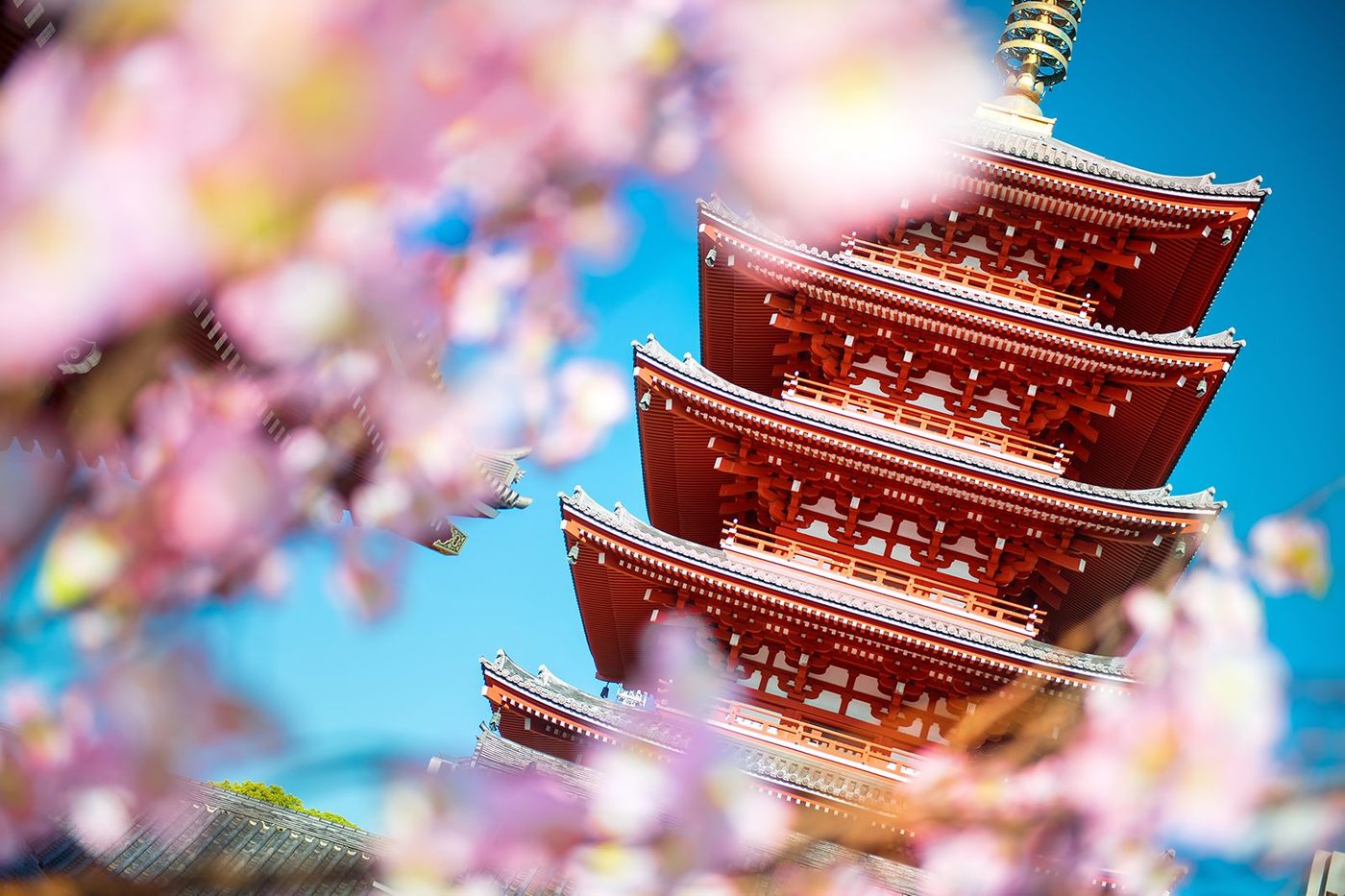
Tokyo, Japan
Tokyo's iconic Kannon temple and omikuji tradition.
Online visit
These cultural experiences are visible to everyone. Sign in when you want to save one to your wish space.
Choose a wish direction, enter the draw ritual, and open your fortune from your own record.
Start drawBegin the visit with a quiet incense offering and a personal wish.
Write a private wish note as a personal record of this online visit.
Light a wish lamp as a small record of this intention.
Add this online visit to your pilgrimage passport.
Senso-ji in Tokyo's Taito ward is one of the city's oldest and most recognized temples, known for Kaminarimon, Nakamise Street, and the Kannon hall.
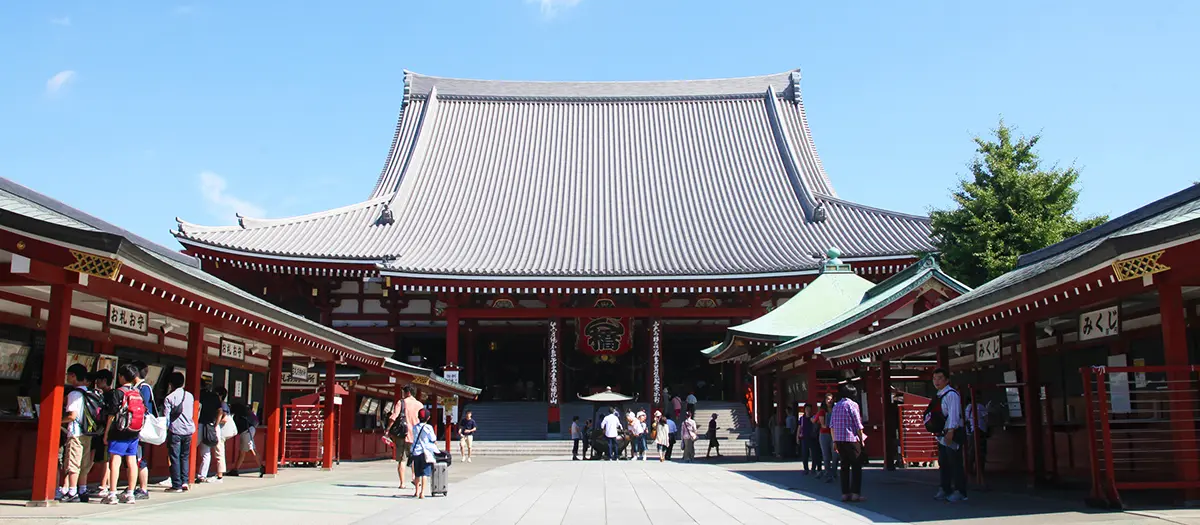
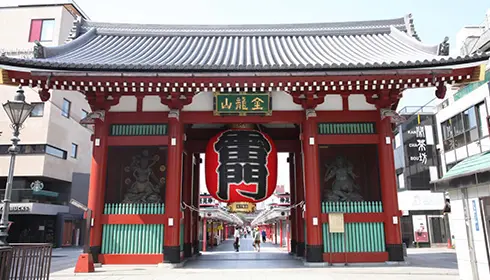
The first impression is the gate, lantern, and crowd flow. The page should begin with this sense of arrival in old Tokyo.
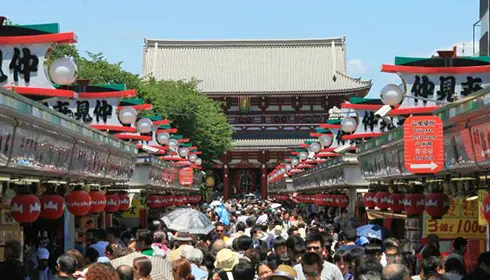
The draw is not an isolated button; it follows prayer, quiet attention, shaking the tube, reading, and tying the slip.
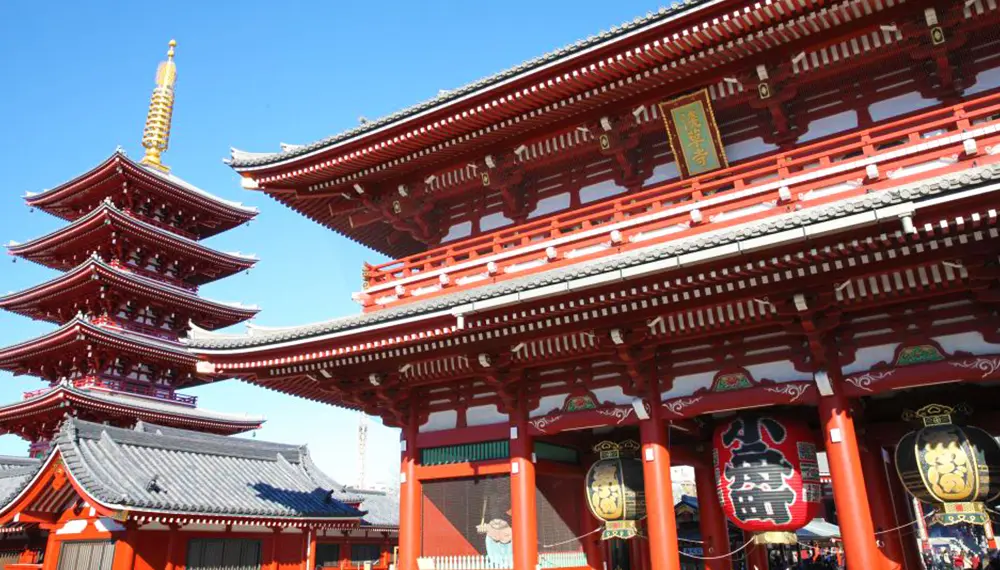
Senso-ji is not just a hall; it is a complete approach. Kaminarimon, Nakamise, Hozomon, and the main hall create a layered walk through faith, shopping, and old Tokyo.
The omikuji flow is easy to understand: shake the tube, match the number, read the slip, and tie away misfortune when needed.
By day, Asakusa is energetic and crowded; early mornings and evenings reveal quieter architecture, light, and neighborhood rhythm.
Senso-ji in Japan · Tokyo is best understood through local memory, Mahayana Buddhist tradition, and the way visitors move through the site today. Origin accounts, reconstruction records, architecture, and present-day crowd flow all shape the temple experience.
Legend says a Kannon statue was found in the Sumida River, forming the temple's origin story.
Today, Senso-ji links faith, tourism, and Tokyo's urban memory.
Senso-ji is both a cultural place for travelers and a devotional space where people still pause, pray, and move quietly.
Well-known temples often serve as heritage sites, city landmarks, and anchors for nearby walks, landscapes, or museums.
Hours, admission, reservations, ceremonies, and maintenance can change, so check temple or local tourism sources before visiting.
This experience is based on the Senso-ji one-hundred fortune set, with images, reverse-side notes, translations, and cultural interpretation.
Senso-ji centers on Kannon devotion. In East Asian Buddhist culture, Kannon is associated with compassion and listening to suffering, making the temple a natural place for wishes, safety, travel, and personal reflection.
Kaminarimon is Asakusa's most recognizable gate, with its giant red lantern setting the tone for the visit.
Nakamise Street links the gate and main hall, turning the approach into a traditional shopping walk.
Omikuji is part of the Asakusa experience: draw, read, and leave misfortune tied at the rack.
The iconic entrance and natural starting point of the visit.
A traditional shopping approach connecting gate and temple.
Key visual landmarks before entering the temple core.
After prayer, visitors can draw and read an omikuji.
Tokyo Metro Ginza Line, Toei Asakusa Line, and Tobu Skytree Line serve Asakusa. Walk toward Kaminarimon after exiting.
The Ginza Line connects Ueno, Ginza, and Asakusa, making it easy to combine museums, shopping, and temple visits.
After the temple, walk to the Sumida River and continue toward Tokyo Skytree for a classic old-new Tokyo route.
Checked2026-07-03
HoursMain hall is generally 6:00-17:00, opening around 6:30 from October to March; temple grounds are generally always open.
AdmissionAdmission is generally free.
NoticeFestivals, New Year crowds, and maintenance can affect access; verify with official or local tourism pages.
Cherry blossoms and the pagoda make a memorable scene, with heavier crowds.
A lively season for combining the temple with Sumida River walks.
New Year visits are atmospheric but extremely crowded.
Easy to pair with Asakusa in a half-day route.
A calm open-space walk after the temple visit.
Museums, parks, and traditional streets form a cultural route.
Asakusa keeps an old-town Tokyo feel through snacks, souvenirs, yukata visitors, rickshaws, and storefront signs.
Sanja Matsuri, New Year visits, and weekends bring heavy crowds. Early morning is quieter, while daytime gives the liveliest street atmosphere.
Pair Senso-ji with the Sumida River, Skytree, or Ueno for a contrast between old Tokyo, riverside scenery, and modern landmarks.
Arriving early gives you a quieter gate, a slower Nakamise walk, and a calmer main hall visit.
At night, crowds thin out and the gate and pagoda become more cinematic under lights.
After drawing a fortune, walk to the river and view Skytree for a clean contrast between old and modern Tokyo.
Senso-ji is one of Tokyo's best places for a first encounter with Japanese temple culture. The experience begins at Kaminarimon, continues through Nakamise, passes Hozomon, and arrives at the Kannon hall.
For quiet, arrive early around the gate and main hall. For the liveliest Asakusa mood, visit during the day along Nakamise. At night, some facilities close, but the illuminated architecture is excellent for walking.
Omikuji at Senso-ji works best as a cultural and reflective experience. Tying an unfavorable slip at the rack and keeping a favorable one are both memorable parts of the visit.
The approach itself is part of the experience; do not rush straight to the draw.
Treat the draw as cultural reflection, not something to repeat until the answer changes.
Image: This page uses locally stored images; source links and rights notes are maintained in the site's attribution records.