Online fortune draw
Choose a wish direction, enter the draw ritual, and open your fortune from your own record.
Start draw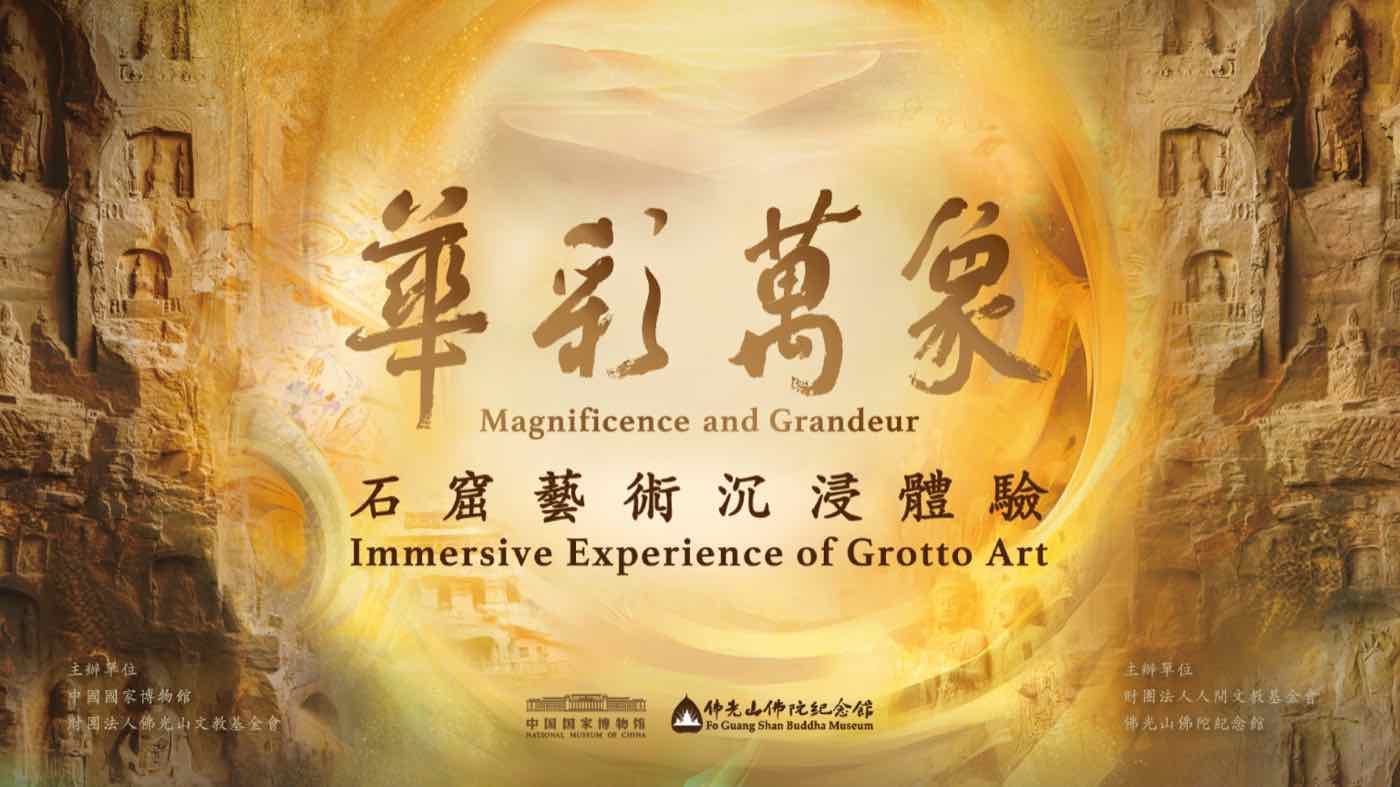
Kaohsiung, Taiwan, China
Kaohsiung's landmark of Buddhist culture, education, and the Buddha Museum.
Online visit
These cultural experiences are visible to everyone. Sign in when you want to save one to your wish space.
Choose a wish direction, enter the draw ritual, and open your fortune from your own record.
Start drawBegin the visit with a quiet incense offering and a personal wish.
Write a private wish note as a personal record of this online visit.
Light a wish lamp as a small record of this intention.
Add this online visit to your pilgrimage passport.
Fo Guang Shan in Kaohsiung's Dashu district combines monastery grounds, the Buddha Museum, education, and cultural exhibitions.
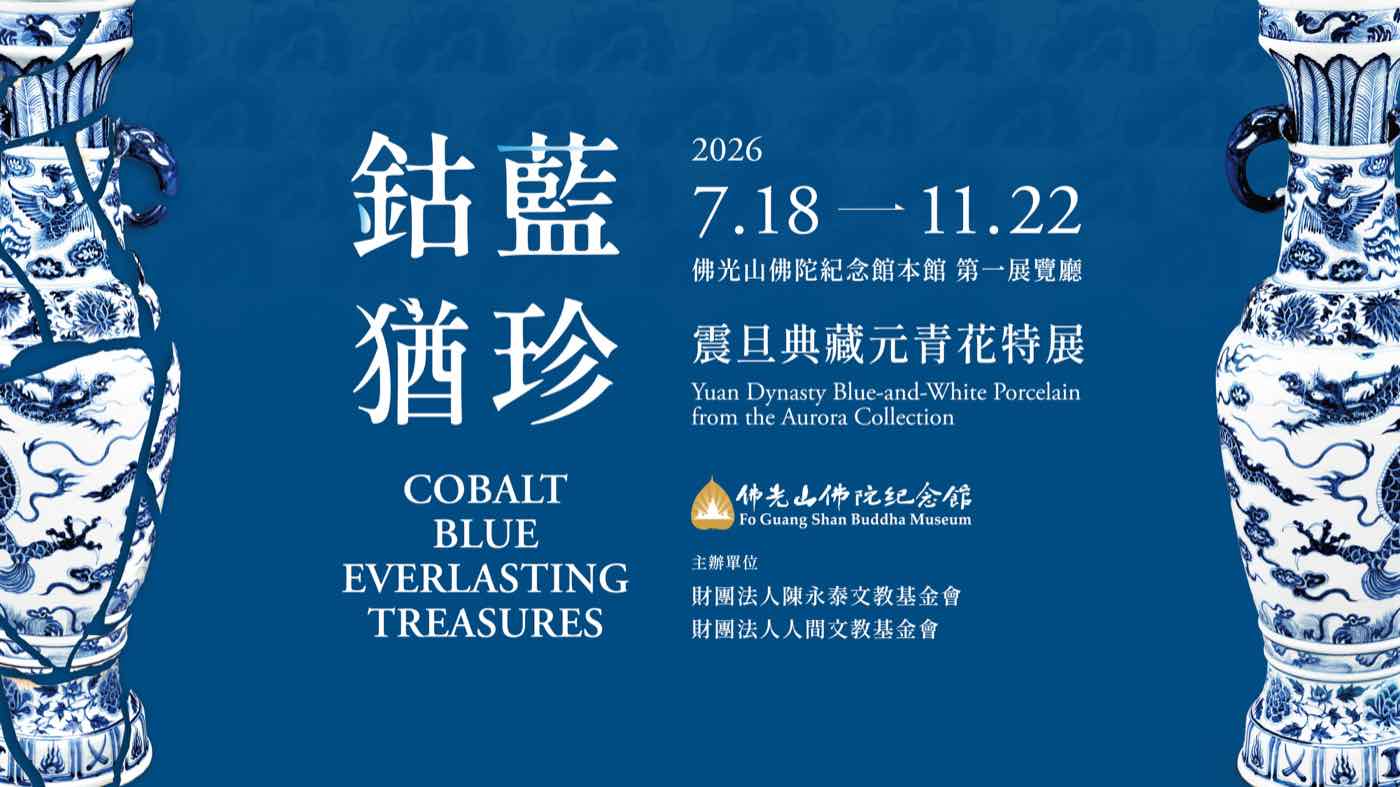
Fo Guang Shan makes its first impression through its city or landscape setting, representative scenery, and visitor atmosphere.
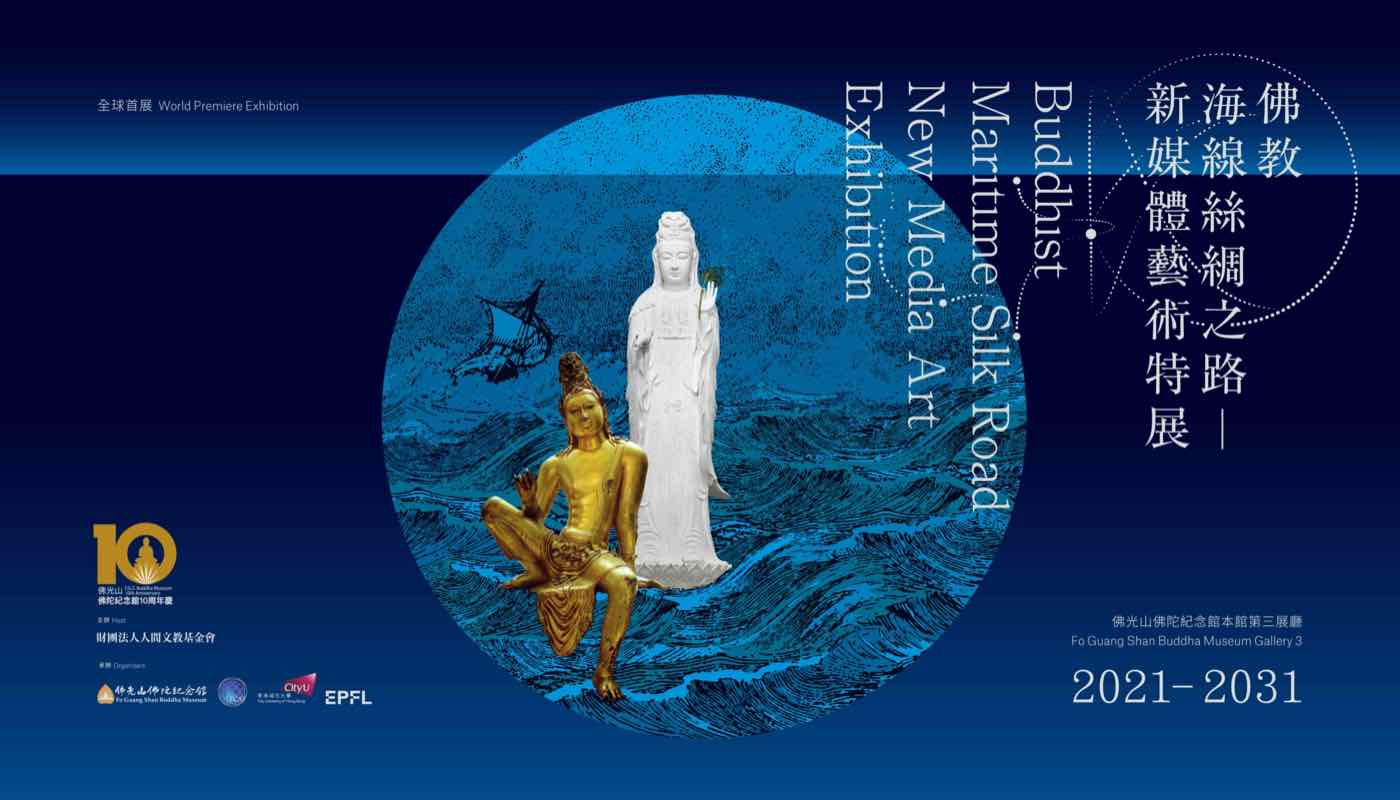
A full visit is rarely only about the main hall. Gates, approach paths, courtyards, nearby streets, and landscapes all help explain the temple's cultural setting.
Fo Guang Shan is best understood within its city route and Buddhist cultural context, not only as a photo stop.
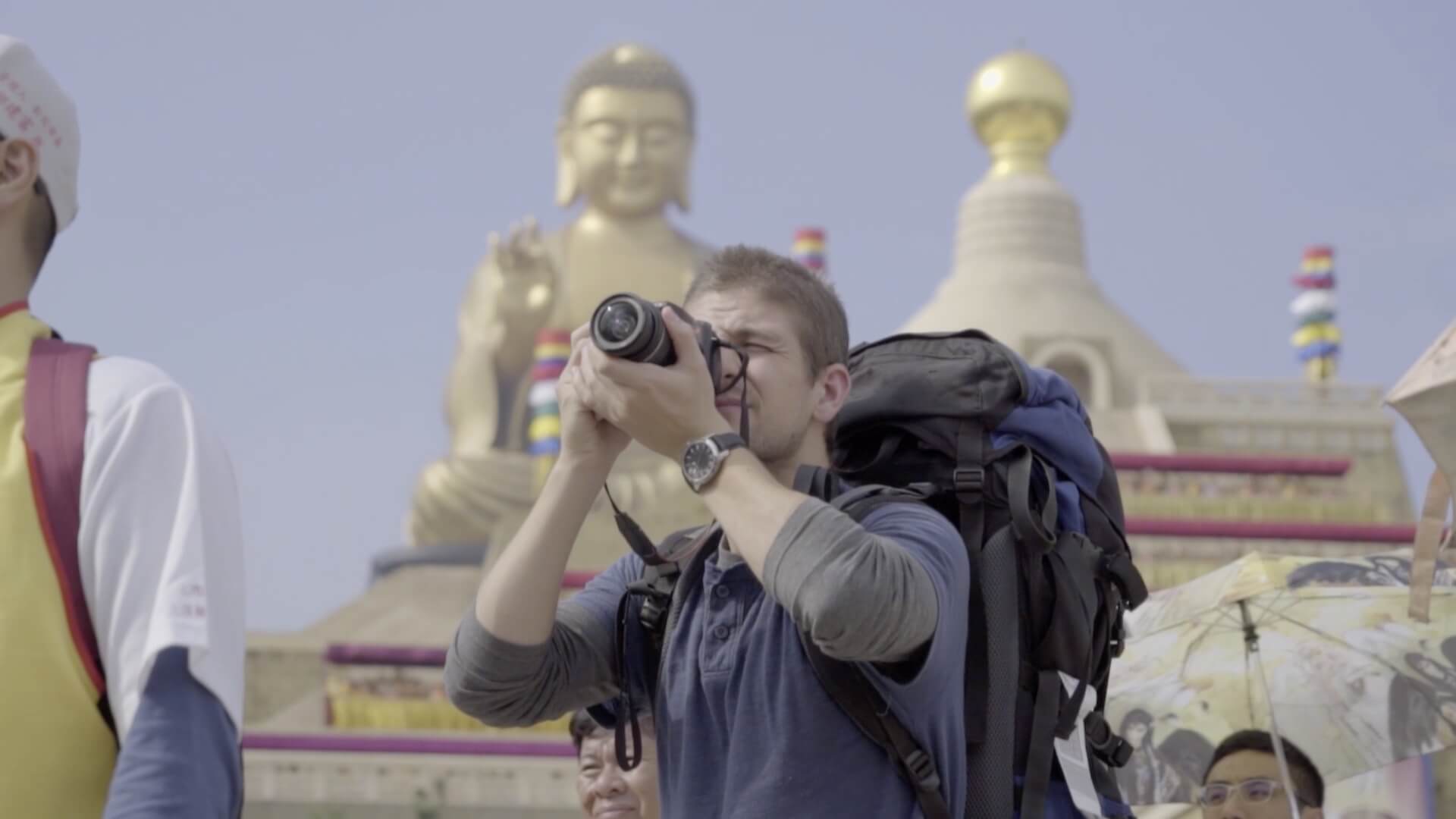
Nearby streets, landscapes, historic sites, and museums can turn the visit from a single stop into a fuller route.
Fo Guang Shan in Kaohsiung, Taiwan, China, is best understood through local memory, Buddhist tradition, and the way visitors move through the site today.
Founded by Master Hsing Yun, Fo Guang Shan developed into a Buddhist center linking practice, education, culture, and international exchange.
Fo Guang Shan today serves as a cultural visit, travel route anchor, and quiet place for wishes.
Fo Guang Shan is not only an architectural landmark; it is a place to move slowly and respect worshippers.
Pair the temple with nearby districts, landscapes, or cultural sites for a fuller route.
Hours, admission, reservations, ceremonies, and maintenance can change; check official or local tourism sources before visiting.
This draw experience follows a widely circulated Buddha oracle-lot tradition for online cultural reflection. It is not an official temple service and does not replace an on-site visit.
The devotional background, etiquette, and prayer atmosphere often explain the temple better than any single ritual. Online wishes are personal records for quiet reflection; on site, follow posted guidance and local prayer flow.
Fo Guang Shan is known for Buddhist education, cultural outreach, the Buddha Museum, and a monumental pilgrimage axis in Kaohsiung.
Before visiting, check official or local tourism pages for hours, admission, reservations, and maintenance.
Understand the main halls, signature structures, and prayer flow before extending to nearby walks.
For photos, queues, hall access, and rituals, follow posted rules and staff guidance.
Popular temple areas often involve parking limits, queues, and festival controls; prioritize metro, bus, cable car, or official transfer guidance.
Approach streets, hill paths, and old districts are often part of the experience, so avoid overpacking the route.
Checked2026-07-03
HoursHours can change by season, ceremony, maintenance, or attraction management; verify with official pages or on-site notices.
AdmissionAdmission, reservations, and combined-ticket policies may change; this page provides source links and does not promise live pricing.
NoticeThis is an independent cultural and travel compilation, not an official temple or attraction service.
Usually better for a calmer visit and architectural details.
Festivals are more ceremonial, but crowds, transport, and booking rules may change.
Softer light often makes the temple's spatial order easier to appreciate.
Combine the temple with nearby historic streets, landscapes, or museums rather than treating it as a single stop.
Popular temple areas often involve queues and traffic; leave a buffer.
Watching how locals move, pause, and pray can reveal more than architecture alone.
Famous temples are both attractions and active faith spaces. Visitors can appreciate architecture and scenery while leaving space for prayer, chanting, and quiet pauses.
Understand the surrounding city, landscape, or district before entering the main halls and prayer flow.
Online wishes work as a personal record: write down the wish, then return to the temple story, history, and etiquette to frame the experience.
Fo Guang Shan is best approached through its history, architecture, prayer etiquette, map access, and nearby routes. Reference links are provided so visitors can check current access before going.
Online wishes work best as personal records for quiet reflection. On site, respect posted guidance, worshipper flow, and local etiquette.
Avoid photographing or blocking people who are praying, chanting, or queuing.
This site offers cultural experience and personal records, not official temple religious services.
Image: This page uses locally stored images; source links and rights notes are maintained in the site's attribution records.